
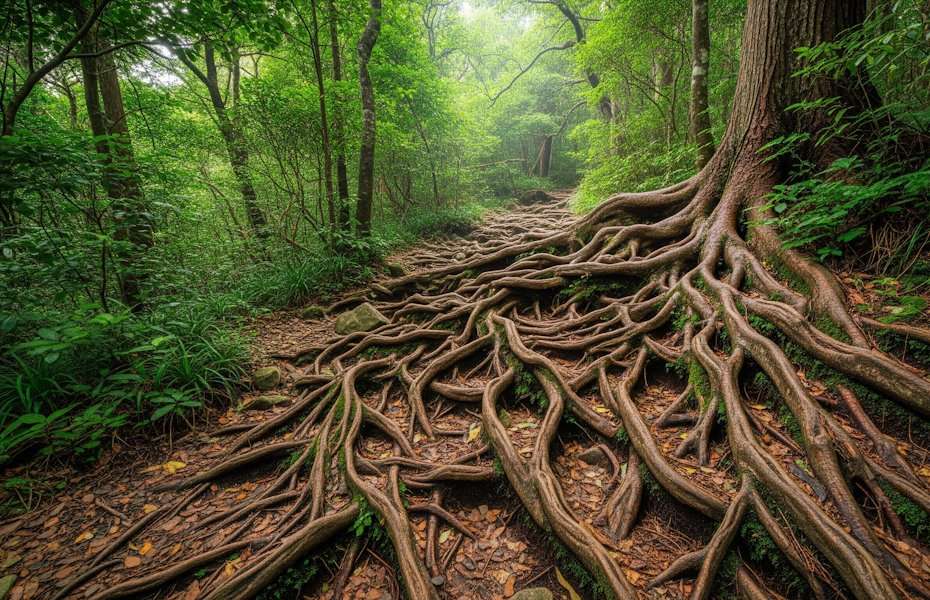
The magical trail between Kibune and Kurama is a great way to get travelers an escape into the ancient forests north of Kyoto. Time seems frozen among towering cedar trees and historic temples here. This 3.9-kilometer trail lies in the beautiful Kitayama Mountains and connects two charming villages while showcasing natural beauty and cultural significance.
Most people take 2-3 hours to walk between Kibune village and Kurama, which makes it a perfect day trip from Kyoto. The trail presents moderate challenges, though starting from Kibune Kyoto makes it easier than going the other way. Hikers will discover stunning sights on their path from Kibune to Kurama. The renowned Kurama-dera temple complex stands out among numerous spiritual landmarks that showcase the area’s rich heritage.
The sort of thing I love about this enchanting mountain trail ranges from practical details about reaching the trailhead to fascinating legends that spread through the forest. This hike promises an unforgettable experience through Japan’s most mystical landscapes, whether you visit during the spectacular autumn foliage season or come during other times of the year.
Starting Your Journey in Kibune Village
Kibune village sits nestled in the mountains north of Kyoto. This charming village serves as the perfect starting point to the enchanting forest trail to Kurama. A single street lined with traditional buildings runs alongside the flowing Kibune River, giving visitors a peaceful break from city life before they start their hiking adventure.
How to Get to Kibune from Kyoto
The trip to Kibune from Kyoto combines a scenic train ride and a quick bus journey. Start at Demachiyanagi Station in Kyoto and catch the Eizan Railway Kurama Line to Kurama. The ride takes about 28 minutes to Kibuneguchi Station. A quick transfer to Kyoto Bus No. 33 adds another 7 minutes to reach the Kibune bus stop.
Travelers from Kyoto Station should take the Subway Karasuma Line to Kokusaikaikan Station. From there, Kyoto Bus No. 52 runs straight to Kibuneguchi Station.
The train ride becomes magical from mid-October through early December. Passengers can see a stunning tunnel of autumn leaves that lights up between Ichihara and Ninose stations. The small, single-set train’s window seats show off the rolling green landscape throughout the trip.
A short 5-minute walk along the river from Kibune station takes you to the village center and trail entrance. The total trip from central Kyoto to Kibune usually takes 45 minutes to an hour.
Learning About Kifune Shrine Before the Hike
Kifune Shrine adds spiritual depth to your experience. This ancient shrine honors the deity of water and has three distinct sections:
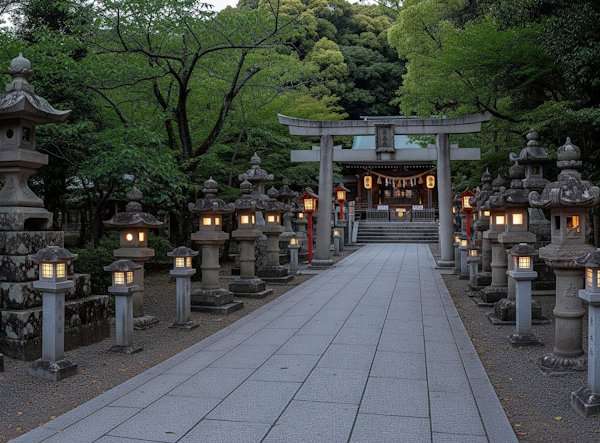
- The Main Shrine (Hongu) – The central worship site features stone lanterns along the front path that glow from sunset until closing
- The Middle Shrine (Yui-no-Yashiro) – Known for matchmaking and home to Iwanaga-hime-no-mikoto
- The Rear Shrine (Okumiya) – The original founding spot surrounded by forest
An impressive 84-step stone staircase leads to the main shrine area. Lanterns line the path while lush vegetation provides shade. Sacred spring water flows here and visitors can try “hydromancy” fortune slips that reveal messages in water.
Horse statues dot the shrine grounds. Local legend says black horses are given during droughts, while white horses appear during floods.
Where to Eat Before You Start
The village’s unique dining scene shines with kawadoko riverside dining from May to September. Restaurants build wooden platforms right over the Kibune River. Guests can enjoy traditional meals while cooling off above the flowing water.
Hirobun draws crowds with its nagashi-somen (flowing noodles served down bamboo chutes) at around 2,000 yen per person. Tochigiku serves delicious beef and chicken sukiyaki with kaiseki sets—a perfect meal before hitting the trail.
Local restaurants specialize in seasonal kaiseki ryori with fresh ingredients. River fish like ayu (freshwater trout) and wild edible plants star in many dishes. Prices start at 3,000 yen per person. Make sure to book ahead, especially during busy seasons.
Note that Kibune has no convenience stores. Buy your hiking snacks before you arrive in the village.
Princess Mononoke forest spirit.
Entering the Forest Trail: From Kibune to the Ridge
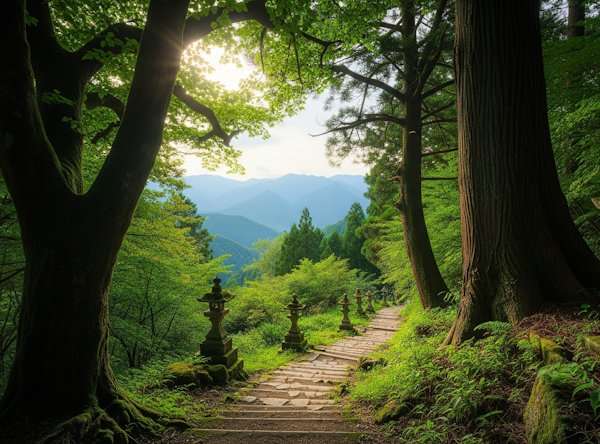
The ancient forest trail between Kibune and Kurama opens up a world of hidden spiritual sites and natural wonders that have fascinated visitors for centuries. The riverside charm of Kibune sets the perfect backdrop for this remarkable trail.
Trailhead and Ticket Booth
A small red bridge crossing the Kibune River marks the start of this amazing experience from Kibune to Kurama. Hikers will spot a ticket booth just around the corner from the main street. A modest hiking fee of a few hundred yen gives access to the trail and a map showing 42 interesting spots along the way. Stone steps lead upward before the path turns into a natural forest trail.
Oku-no-In Mao-den and Fudo-do
The first major landmark, Oku-no-in Mao-den, appears after a fifteen-minute uphill walk. This sacred hall is home to Maoson no kami, a deity believed to have come to Earth from Venus approximately six million years ago. Local stories tell of a Venus meteorite that fell to Earth in Japan and split into three pieces. One piece landed in the Kurama Mountains.
Sojo-ga-dani Fudo-do, a subtemple of Kurama-dera, stands nearby. The hall pays tribute to Fudo Myoo, one of the Five Wisdom Kings who protect esoteric Buddhism in Japan. Fudo Myoo appears with an angry expression, holding a sword in his right hand and a rope in his left – symbols of his guardian role. A giant cedar tree and detailed paving create a peaceful spot for prayer.
The Mystical Root Path (Kinone Sando)
Kinone Sando (Tree Root Path) stands out as one of the trail’s most magical sections. Ancient cedar trees’ exposed roots create amazing patterns like a natural spiderweb across the forest floor. Shallow bedrock forces these roots to emerge along the path, creating an otherworldly atmosphere that many hikers love best.
Towering Japanese cedars and small shrines dot this mystical path. The peaceful forest setting lets hikers reflect on their wishes and purpose. Distant bell gongs echo through the trees, adding to the spiritual feel of this special place.
Osugi Gongen and Reiki Origins
Osugi Gongen sits just off the Root Path. This shrine honors a “gongen” – a unique being viewed as both a Buddha and a Shinto deity. The spot holds special meaning as Usui Mikao, who created Reiki, spent 21 days fasting and meditating here before discovering his healing technique. Reiki has spread worldwide as a hands-on healing method practiced in Japan, the United States and Europe.
Ancient trees surround this powerful spiritual spot, making it perfect for connecting with nature and quiet reflection. The path continues along the ridge toward Kurama, passing monuments and smaller shrines that add to this historic mountain trail’s rich heritage.
Reaching the Summit: Legends and Landmarks
The Kibune to Kurama trail’s highest point rewards you with amazing history and natural beauty. This spot isn’t just the physical peak of your trip – it’s a cultural landmark where old legends come alive among giant cedars.
Sekurabe Ishi and the Story of Yoshitsune
Yoshitsune Sekurabe-ishi (Height Comparing Rock) sits at the trail’s peak, a simple stone protected by wooden fencing. This modest landmark carries deep historical meaning – it’s where the famous 12th-century samurai Minamoto Yoshitsune measured his height during martial arts training. Local tales say young Yoshitsune (known then as Ushiwakamaru) learned swordsmanship from Sōjōbō, the tengu mountain goblins’ king, right here.
The stone looks tiny – barely a meter tall. This makes people ask how it could measure a grown warrior. Some people hypothesize Yoshitsune used it as a seven-year-old child. Others speculate the stone sank into the ground or got buried under sediment over these 800 years.
Forest Views and Spiritual Quiet
The summit feels different from the rest of the trail. Fewer trees let sunlight stream through the canopy and create magical shadows across the clearing. This natural light sets the perfect mood that matches the mountain’s mysterious legends.
Hikers often stop to rest on the nearby benches and take in the calm surroundings. The deep silence makes this place special. You’ll hear only occasional bird songs echo through the trees. This peaceful spot lets you reflect quietly – quite different from Kyoto’s busy tourist areas.
Reihoden Museum and its Exhibits
The Reihoden Museum (Mount Kurama Museum) sits just past the Sekurabe Ishi. This 50-year old three-story building shows off the mountain’s natural and cultural heritage. Adults pay 200 yen to enter, while children pay 100 yen.
The ground floor focuses on science, showing local geology, wildlife, plants and insects. The second floor’s “Jihō room” displays historical items and temple treasures, including Yoshitsune Minamoto’s artifacts. You’ll also find the Yosano memorial room with famous poet Akiko Yosano and her husband’s writing tools.
The third floor holds impressive Buddhist statues, including three National Treasure Bishamonten figures. The museum gives good information, but most travel guides suggest skipping it if you’re short on time. The trail’s natural beauty and spiritual sites tend to leave a stronger impression on visitors.
Try this Japan itinerary 2025.
Descending into Kurama: Temples and Traditions
The historic Kibune to Kurama trail’s final stretch guides travelers into Kurama’s spiritual heart. Ancient traditions and mystical entities have altered the map of this area for centuries. Each step down reveals remarkable religious sites that showcase the area’s unique spiritual heritage.
Kurama-dera Temple and its Power Spot
Chinese monk Gantei founded in 770 AD what would become Kurama-dera Temple. The temple became the independent Kurama-Kokyo sect’s headquarters in 1949. Sonten, believed to be the universe’s creator, receives worship here and consists of Maōson, Bishamonten and Senjū Kannon. The main hall features the Kongoyuka – a triangular stone in the pavement that displays a pentagram within a circle within a square. This spot serves as a powerful energy center where cosmic forces join together. Locals believe visitors should stretch their arms while standing on this exact spot before worship to maximize their wishes’ chances of coming true.
Yuki Shrine and the Ancient Cedar
Downhill stands Yuki-jinja Shrine, which moved from downtown Kyoto to Kurama in 940 AD as the area’s protection against evil. The shrine exists on Kurama-dera grounds yet maintains its independence. A magnificent 800-year-old cedar towers 53 meters in front of the main hall. This natural torii gate acts as a yorishiro—where kami (spirits) gather. Paper streamers and a shimenawa rope adorn the cedar, which many believe grants wishes to sincere seekers. The shrine becomes famous each year on October 22nd during the dramatic Kurama Fire Festival, when villagers carry flaming torches through streets after dark.
Kurama Village and the Tengu Statue
Kurama village welcomes visitors with a striking red Tengu statue near the station. Built in 1994, this imposing figure celebrates the 1200th anniversary of Heian-kyo (ancient Kyoto) and represents Sojobo, the Tengu mountain goblins’ king. These supernatural beings with distinctively long noses possessed extraordinary powers and made Mount Kurama their home. Stories tell of Sojobo personally training the legendary 12th-century samurai Minamoto Yoshitsune in swordsmanship within these mountains. Tengu imagery appears throughout Kurama today and visitors can even find fortune-telling Tengu-shaped omikuji at Yuki Shrine.
Practical Tips for the Hike
A successful hike from Kibune to Kurama needs good preparation to make the most of this magical forest trail. The right timing and planning will help you enjoy this mountain adventure, which ends with a relaxing soak in natural hot springs.
Best Seasons to Visit
You can enjoy this trail all year round, and each season brings something special. The red momiji leaves create stunning views in autumn (mid-November) with their vibrant canopy overhead. The landscape turns into a lush green paradise in early summer. Snow blankets the path between December and February, making it one of Kyoto’s most magical winter trails. Local events add extra charm – the Illumination of Autumn Leaves runs at Kifune Shrine (November 3-26), while the dramatic Kurama Fire Festival happens on October 22.
What to Pack and Wear
The trail’s moderate difficulty and uneven steps mean you need the right footwear. Good walking shoes or hiking boots will serve you well. Remember to bring:
- Water bottles (you’ll find vending machines at rest areas)
- Cash to pay for food, transportation, and entrance fees
- IC card (ICOCA, Suica, etc.) for train rides
- Sun protection: hat, sunglasses, and sunblock
- Insect repellent when it’s warm
- Hiking stick if you need extra balance
Entrance Fees and Rest Stops
You’ll pay a small entrance fee of ¥300-500 per person. The trailhead staff at Kibune collects this fee and gives you maps that show key spots along the way. Rest areas dot the trail so you can take breaks when needed. Kurama station and Kibune village both have restrooms.
Onsen Options at the End
Kurama Onsen offers the perfect reward after your mountain trek. This natural hot spring sits close to Kurama-dera temple and gives you two great choices: a ¥1,000 outdoor bath (rotenburo) with mountain views or a complete “Day Trip Course” at ¥2,500. The full course lets you use both outdoor and indoor baths, and comes with towels and a yukata robe. A free shuttle bus picks up visitors from Kurama Station and takes them straight to the onsen. Your tired muscles will thank you as you soak in the warm waters while gazing at peaceful forest views.
Looking Back: Time and Nature Meet
The Kibune to Kurama trail ranks among Kyoto’s best outdoor spots. Hikers get to enjoy both natural beauty and cultural heritage. This ancient forest path lets you discover spiritual landmarks, mystical legends and scenery you won’t find anywhere else in Japan.
The 3.9-kilometer path takes you beyond regular tourist spots to a place where tengu mountain spirits once trained legendary samurai warriors. The trail shows you where Reiki healing practices began and features magnificent cedar trees that have seen centuries pass beneath their branches.
Weather plays a big role in your hiking experience. Fall turns the forest into a crimson wonderland. Summer brings lush greenery and temperatures that feel cooler than downtown Kyoto. Winter sees fewer visitors but rewards brave hikers with magical snow-covered views and quiet trails.
New visitors should check their fitness level before trying this moderately challenging trail. The stone steps and rough ground mean you’ll need good shoes and simple hiking gear. You’ll find plenty of rest spots to catch your breath and soak in the forest’s peaceful mood.
Getting here from central Kyoto is easy, making it a great day trip when you want a break from city exploring. The onsen hot springs at the end are a perfect way to relax your tired muscles after the hike.
This hike gives you much more than exercise – it connects you deeply with Japanese spiritual traditions, natural wonders and historical tales. People who finish this forest walk often say it was their favorite part of visiting Kyoto, showing just how special it is.
Japanese people have walked this mountain path for hundreds of years to find spiritual renewal among ancient trees and sacred shrines. Today’s visitors follow these same paths and create their own special memories on this timeless forest trail.
FAQs
Q1. How long is the hike from Kibune to Kurama?
The hike from Kibune to Kurama is approximately 3.9 kilometers long and typically takes about 2-3 hours to complete, depending on your pace and stops along the way.
Q2. What is the best time of year to do the Kibune to Kurama hike?
While the trail is accessible year-round, autumn (mid-November) is particularly popular for its spectacular red foliage. Early summer offers lush greenery, while winter provides a magical snow-covered landscape for more adventurous hikers.
Q3. Are there any entrance fees for the Kibune to Kurama trail?
Yes, there is a modest entrance fee for the hiking trail, typically ranging from 300 to 500 yen per person. This fee is collected at the trailhead near Kibune and includes a map highlighting points of interest along the route.
Q4. What are some key attractions along the Kibune to Kurama trail?
The trail features several notable attractions, including the mystical Root Path (Kinone Sando), Kurama-dera Temple, Yuki Shrine with its ancient cedar tree and various spiritual landmarks associated with local legends and Buddhist traditions.
Q5. Is there a way to relax after completing the hike?
Yes, many hikers enjoy visiting Kurama Onsen after the trail. This natural hot spring facility offers both outdoor and indoor baths, providing a perfect way to soothe tired muscles while enjoying serene forest views. A shuttle bus is available from Kurama Station to the onsen.







Leave A Comment