

What Is Lunar New Year?
Lunar New Year, often called Spring Festival in China, marks the beginning of a new year on the traditional lunisolar calendar. Unlike the Gregorian calendar, which is based solely on the sun’s movement, the lunisolar calendar tracks both lunar phases and solar seasons, creating a unique timing system that has guided agricultural and cultural practices for millennia.
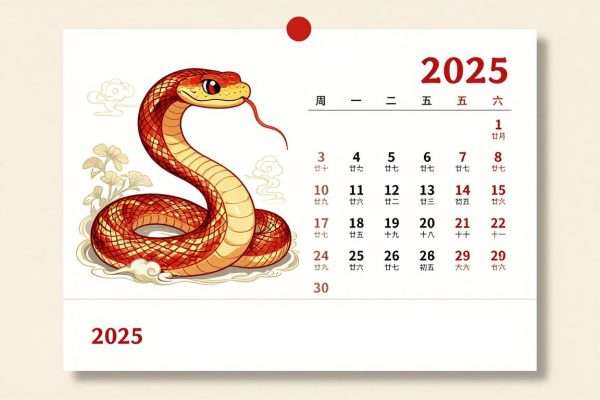
The first day of the Lunar New Year falls on the new moon that appears between January 21 and February 20. In 2025, Lunar New Year will begin on January 29, welcoming the Year of the Snake according to the Chinese zodiac cycle of 12 animals. The celebration period traditionally lasts for 15 days, concluding with the Lantern Festival on the first full moon of the new lunar year.
Cultural Significance
While commonly associated with Chinese culture, Lunar New Year is celebrated across numerous Asian countries and communities worldwide, each with their distinctive customs and names:
- In China: Spring Festival (春节, Chūnjié)
- In Korea: Seollal (설날)
- In Vietnam: Tết (Tết Nguyên Đán)
- In Tibet: Losar
- In Mongolia: Tsagaan Sar
Though practices vary by region and culture, the core themes remain consistent: family reunion, honoring ancestors, and inviting good fortune for the coming year.
Historical Origins
The origins of Lunar New Year celebrations trace back thousands of years. According to Chinese legend, the festivities began as a way to scare off a mythical beast called Nian, which would emerge at the end of each year to devour villagers and their crops. People discovered that Nian feared loud noises, bright lights, and the color red—elements that remain central to modern celebrations.
Archaeological evidence suggests that Lunar New Year observances date back to the Shang Dynasty (1766-1122 BCE), though many of today’s customs developed during the Han Dynasty (206 BCE-220 CE) and later periods. What began as agricultural rituals marking seasonal transitions evolved into the elaborate cultural festival we recognize today.
Pre-New Year Preparations
The weeks leading up to Lunar New Year are filled with purposeful activity as families prepare to welcome the new year with a clean slate—both literally and figuratively. These preparations are not merely practical tasks but carry deep symbolic meaning, setting the stage for prosperity and good fortune in the coming year.
The Great Cleaning

Known as “sweeping away the dust,” the pre-festival cleaning is a comprehensive ritual that removes both physical dirt and symbolic bad luck from the previous year. Every corner of the home receives attention—windows are washed, floors are scrubbed, and clutter is cleared away.
Interestingly, once New Year’s Eve arrives, brooms are put away. Sweeping on New Year’s Day is strictly avoided, as it might sweep away incoming good fortune. This practice highlights how deeply symbolism permeates even the most practical aspects of the celebration.
Festive Decorations
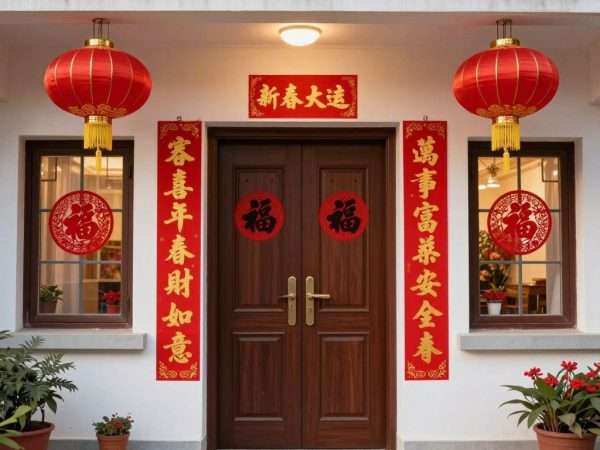
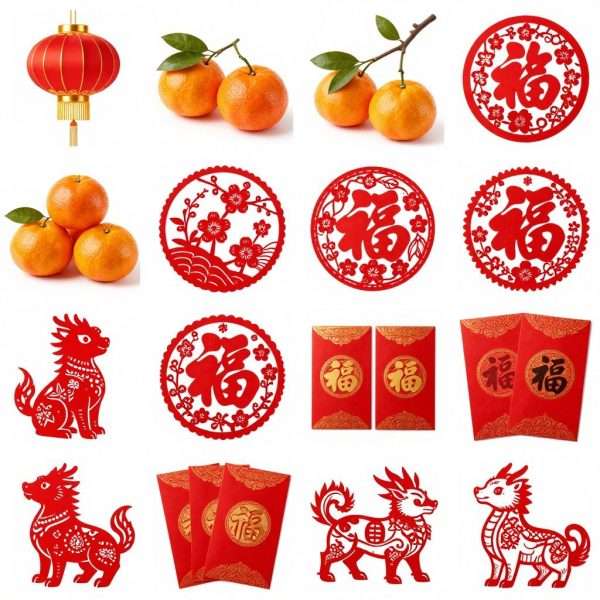
Transforming the home with auspicious decorations is a crucial preparation step. The color red dominates, symbolizing good fortune and joy. Paper-cuts adorning windows, door couplets (chunlian) bearing poetic wishes, and red lanterns create a festive atmosphere while inviting prosperity.
Each decoration serves a purpose beyond mere aesthetics. Door gods protect the household, upside-down “fu” characters suggest that good fortune has arrived, and tangerine plants represent wealth. These visual elements create a home environment primed for positive energy in the new year.
Shopping and New Clothes
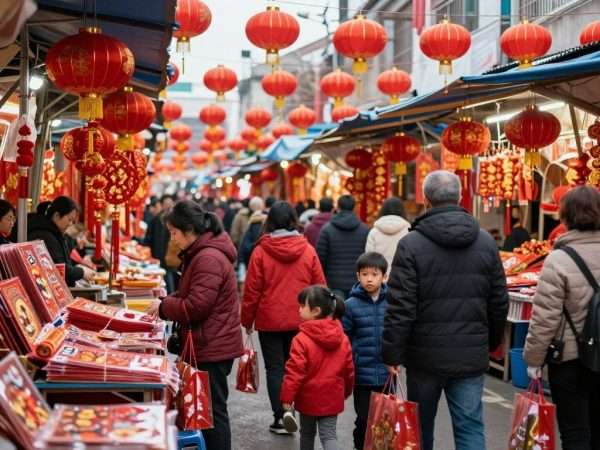
Markets bustle with activity as families purchase new clothes, food ingredients, decorations, and gifts. Wearing new clothes, particularly in red, symbolizes a fresh start and attracts good luck. Even haircuts are obtained before the festival, as cutting hair during the celebration period could cut away good fortune.
Food shopping is especially important, as certain ingredients must be secured for preparing symbolic dishes. Many items are purchased in abundance to represent the wish for plenty throughout the year. The pre-festival shopping rush creates a vibrant, anticipatory atmosphere in communities.
Prepare for Your Own Lunar New Year Celebration
Want to incorporate Lunar New Year traditions into your home? Our comprehensive guide walks you through all the essential preparations, decorations, and customs with step-by-step instructions.
The Reunion Dinner: Heart of the Celebration
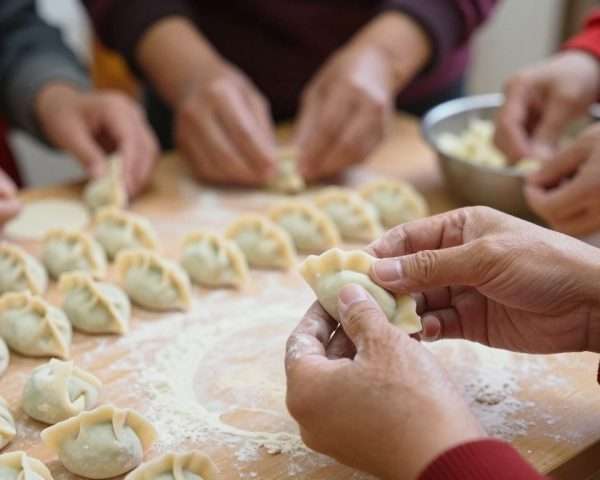
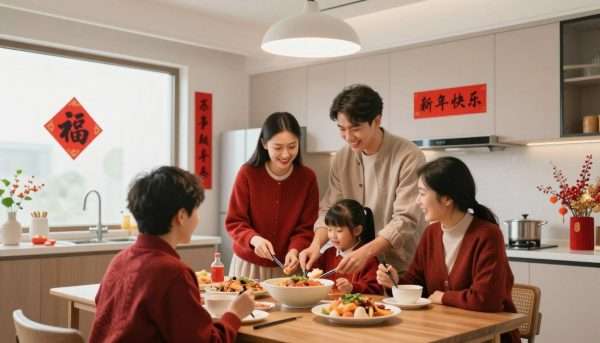
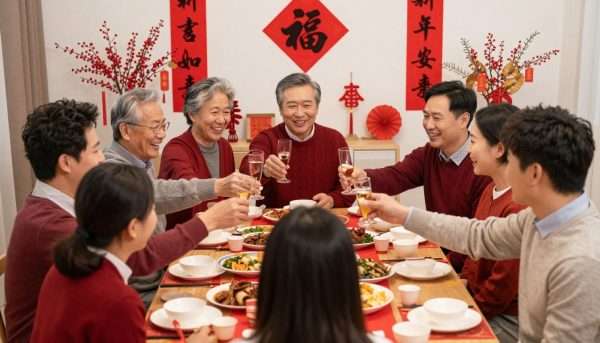
The Reunion Dinner (团圆饭, tuányuán fàn) held on Lunar New Year’s Eve stands as the most significant meal of the year. This feast brings family members from near and far together around one table, symbolizing unity and continuity. The importance of this gathering cannot be overstated—it creates what is often described as the world’s largest annual human migration, as millions travel across countries and continents to be with their families for this essential tradition.
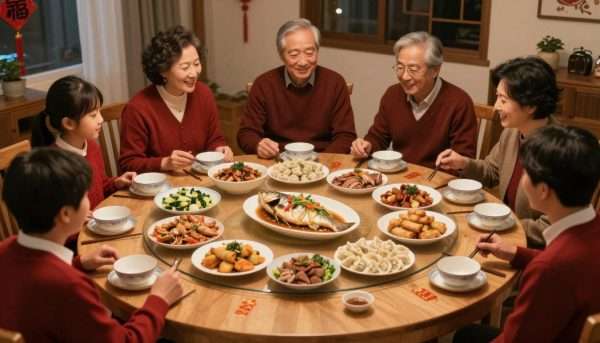
The Reunion Dinner brings multiple generations together for the most important meal of the year
Symbolic Foods and Their Meanings
The Reunion Dinner table is laden with dishes carefully selected for their symbolic meanings. These foods not only nourish the body but also express hopes and wishes for the coming year:
| Dish | Symbolic Meaning | Cultural Significance |
| Whole Fish (鱼, yú) | Abundance and prosperity | The Chinese word for fish sounds like “surplus.” The fish is served whole with head and tail intact to symbolize a complete, successful year from beginning to end. |
| Dumplings (饺子, jiǎozi) | Wealth and prosperity | Their shape resembles ancient Chinese gold ingots. In Northern China, families often hide a coin in one dumpling—whoever finds it will have good fortune. |
| Spring Rolls (春卷, chūnjuǎn) | Wealth and new beginnings | Their golden, cylindrical appearance resembles gold bars. The name directly references spring and new beginnings. |
| Longevity Noodles (长寿面, chángshòu miàn) | Long life and happiness | These extra-long noodles are served uncut, symbolizing a long, unbroken life. Breaking a noodle during cooking or eating is considered unlucky. |
| Glutinous Rice Cake (年糕, niángāo) | Higher income or position | The name sounds like “higher year,” suggesting improvement and growth in the coming year. |
| Sweet Rice Balls (汤圆, tāngyuán) | Family unity and completeness | Their round shape symbolizes reunion and completeness. Often eaten during the Lantern Festival that concludes the New Year period. |
Regional Variations
While the Reunion Dinner is universal across Lunar New Year celebrations, regional variations showcase the rich diversity of culinary traditions:
Northern China
- Dumplings are the essential dish
- Steamed fish with sweet and sour sauce
- Braised pork with vermicelli noodles
Southern China
- Glutinous rice cakes (niangao)
- Whole chicken representing family completeness
- Buddha’s Delight (vegetarian dish with symbolic ingredients)
Korean Seollal
- Tteokguk (rice cake soup) symbolizing a fresh start
- Japchae (stir-fried glass noodles)
- Assorted jeon (savory pancakes)
Vietnamese Tết
- Bánh chưng (sticky rice cake with mung beans and pork)
- Thịt kho (caramelized pork with eggs)
- Dưa hành (pickled onions to aid digestion)
Beyond the food itself, the Reunion Dinner is a time for family bonding, sharing stories, and honoring absent members. In many households, an empty place is set for those who cannot attend, ensuring they remain part of the family circle despite physical distance. The evening often concludes with families staying up late together to “guard the year” (守岁, shǒusuì), symbolically escorting the old year out and welcoming the new one in.
Key Traditions and Customs
The Lunar New Year celebration encompasses a rich tapestry of traditions that have evolved over centuries. These customs, observed with varying degrees of formality in modern times, continue to provide cultural continuity and meaningful connections to ancestral practices.
Red Envelopes (红包, Hóngbāo)
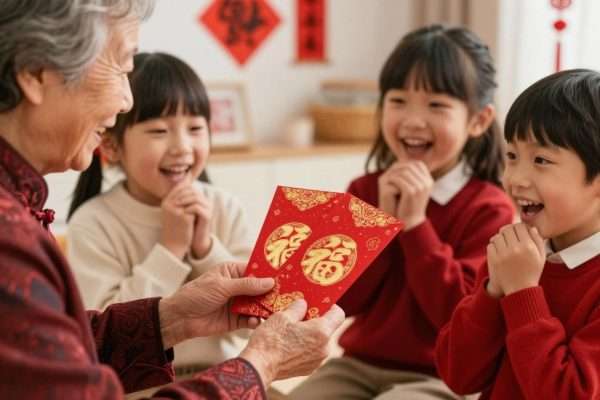
Perhaps the most anticipated tradition for children, red envelopes contain money and are given by married adults to children and unmarried young people. The amount inside is less important than the red envelope itself, which symbolizes good luck and wards off evil spirits.
In Chinese tradition, the money inside is called “yasuiqian” (压岁钱) or “money to suppress evil spirits.” Even numbers are preferred (except four, which sounds like “death”), with amounts like $8 or $88 being particularly auspicious as the number 8 sounds like “prosperity” in Chinese.
Lion and Dragon Dances
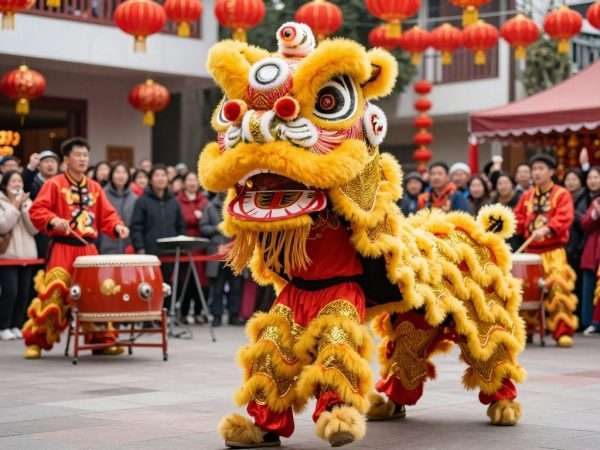
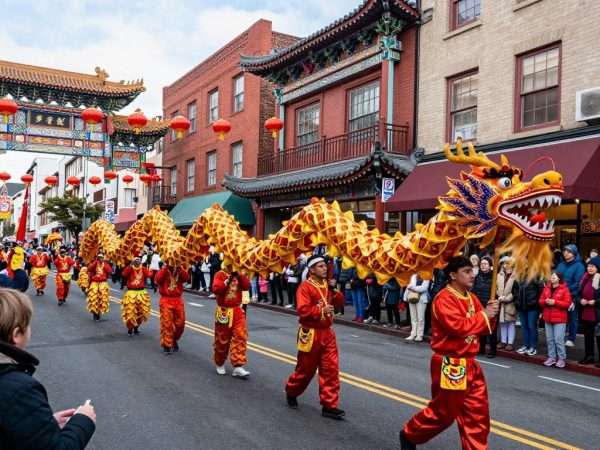
The rhythmic movements of lion and dragon dances bring streets and celebrations to life during the festival period. Performed to the accompaniment of drums, cymbals, and gongs, these dances are believed to bring good luck and chase away evil spirits.
The lion dance features two performers inside a single lion costume, while the dragon dance involves multiple performers manipulating a long, serpentine dragon on poles. Both performances require skill, coordination, and endurance, with dancers often performing acrobatic feats to entertain crowds and collect red envelopes from businesses.
Firecrackers and Fireworks

The thunderous sounds of firecrackers and the brilliant displays of fireworks are integral to Lunar New Year celebrations. Originally used to scare away the mythical beast Nian, these explosive celebrations now symbolize driving away bad luck and welcoming prosperity.
While environmental and safety concerns have led to restrictions in some urban areas, the tradition continues in modified forms. Many cities now host centralized fireworks displays, while some families use electronic firecrackers that provide the visual and audio experience without smoke or fire hazards.
Daily Observances During the Festival Period
The Lunar New Year celebration extends beyond a single day, with specific customs associated with each day of the festival period. While not all families observe every tradition, understanding the traditional sequence provides insight into the cultural richness of the celebration:
| Day | Traditional Activities | Significance |
| New Year’s Eve | Reunion dinner, staying up late (守岁, shǒusuì), final cleaning | Family unity, honoring ancestors, preparing for new beginnings |
| First Day | Visiting closest family members, abstaining from meat (in some traditions), avoiding sweeping | Welcoming good fortune, respecting elders, preserving luck |
| Second Day | Married women visit their birth families, praying to the God of Wealth | Maintaining family bonds, inviting prosperity |
| Third Day | Staying home to rest, avoiding social visits | Considered an inauspicious day for socializing |
| Fourth Day | Businesses reopen, welcoming the Kitchen God back | Return to normal activities, ensuring household prosperity |
| Fifth Day | Honoring the God of Wealth, dumplings eaten in northern China | Attracting financial prosperity |
| Seventh Day | Considered everyone’s birthday (人日, rénrì), special soup or salad eaten | Celebrating human creation according to Chinese mythology |
| Fifteenth Day (Lantern Festival) | Displaying lanterns, eating sweet rice balls (汤圆, tāngyuán), lantern riddles | Marks the end of the New Year celebration period |
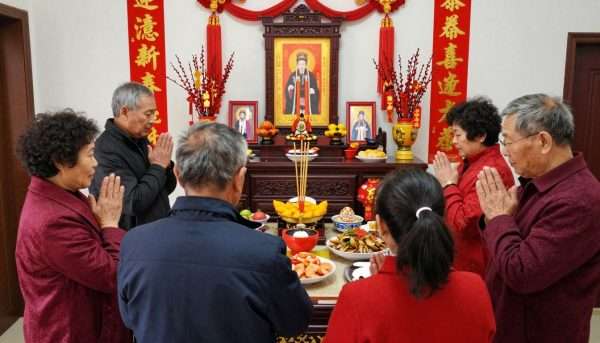
Experience Lunar New Year Traditions
Discover how you can participate in authentic Lunar New Year celebrations in your area. Our cultural events calendar keeps you updated on parades, performances, and community gatherings.
Symbolism and Beliefs
Lunar New Year celebrations are rich with symbolism, with nearly every aspect of the festival carrying deeper meaning. Understanding these symbolic elements provides insight into the cultural values and aspirations that have shaped these traditions over millennia.
Colors and Numbers
Colors play a crucial role in Lunar New Year symbolism, with each carrying specific meanings:
- Red – The most auspicious color, symbolizing good fortune, joy, and happiness. Dominates decorations and clothing.
- Gold/Yellow – Represents wealth, prosperity, and imperial power.
- Green – Signifies growth, harmony, and new beginnings.
- Black – Generally avoided during celebrations as it can symbolize bad luck or death.
- White – Associated with mourning in Chinese culture, typically avoided during festive occasions.
Numbers carry equally important symbolic weight:
- Eight (八, bā) – Highly auspicious as it sounds like “prosperity” (发, fā).
- Six (六, liù) – Represents smoothness and success.
- Nine (九, jiǔ) – Sounds like “long-lasting” (久, jiǔ), symbolizing longevity.
- Four (四, sì) – Avoided as it sounds like “death” (死, sǐ).
Animals and Plants
Certain animals and plants feature prominently in Lunar New Year symbolism:
- Fish – Represents abundance and surplus.
- Dragon and Lion – Powerful protectors that ward off evil spirits.
- Zodiac Animal of the Year – Each year is associated with one of 12 animals, influencing the year’s character.
- Mandarin Oranges – Their golden color and round shape symbolize fullness and wealth.
- Plum Blossoms – Represent resilience and perseverance as they bloom in winter.
- Bamboo – Symbolizes strength, flexibility, and resilience.
- Peach Blossoms – Associated with longevity, growth, and prosperity.
Taboos and Superstitions
Just as important as the practices to bring good luck are the taboos to avoid bad fortune. Many families still observe these prohibitions during the festival period:
Auspicious Actions
- Wearing new clothes, especially red
- Speaking positive words and phrases
- Staying up late on New Year’s Eve
- Giving and receiving red envelopes
- Eating “lucky” foods like fish and dumplings
- Decorating with auspicious symbols
- Paying off debts before the new year
Actions to Avoid
- Sweeping or taking out trash (might sweep away good luck)
- Using scissors, knives, or sharp objects (might cut off good fortune)
- Breaking dishes or other items (symbolizes broken fortune)
- Washing hair on New Year’s Day (washes away good luck)
- Using negative words or mentioning death
- Lending or borrowing money
- Wearing black or white clothing
Symbolic Decorations
Homes transform during the festival period with decorations that carry deep symbolic meaning:
Door Couplets (春联, chūnlián)
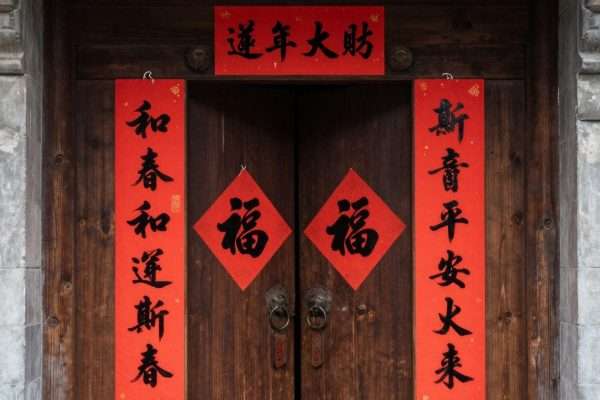
These poetic verses written on red paper are placed on either side of doorways. They express wishes for prosperity, happiness, and good fortune in the coming year. The matching couplets follow strict rules of parallelism in both meaning and grammatical structure.
Fu Character (福, fú)
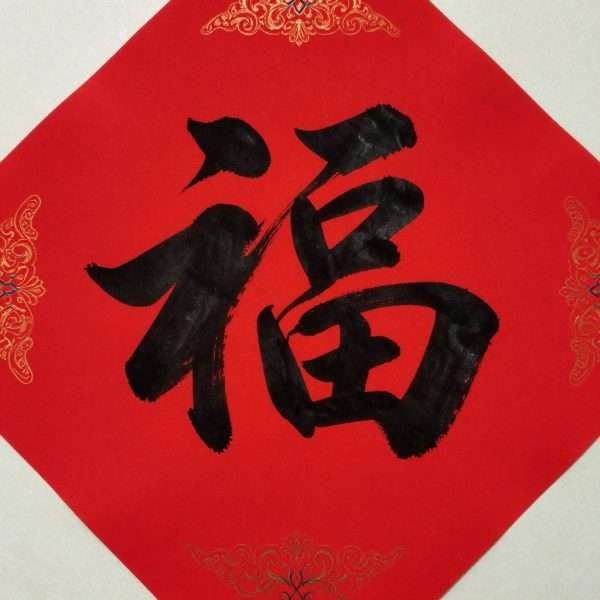
This character meaning “good fortune” or “blessing” is often displayed upside down. This is because the word for “upside down” (倒, dào) sounds like the word for “arrive” (到, dào), creating a pun that suggests “good fortune has arrived.”
Paper Cutouts (窗花, chuānghuā)
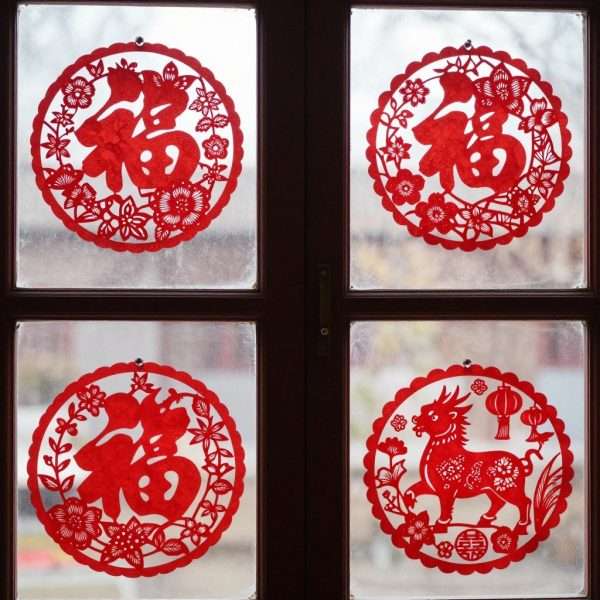
These intricate designs cut from red paper adorn windows and doors. Traditional motifs include flowers, animals (especially the zodiac animal of the year), and characters representing wishes like longevity, happiness, and prosperity.
The rich symbolism of Lunar New Year reflects deeply held cultural values: the importance of family unity, respect for ancestors, hope for prosperity, and the cyclical nature of time and renewal. Even as celebrations evolve in the modern world, these symbolic elements continue to provide meaningful connections to cultural heritage and traditional wisdom.
Global Lunar New Year Celebrations
What began as a regional celebration in East Asia has evolved into a global cultural phenomenon. As diaspora communities established themselves worldwide, they brought Lunar New Year traditions with them, adapting celebrations to new environments while preserving cultural essence. Today, Lunar New Year is celebrated on every continent, with some of the largest festivities occurring outside Asia.
Major International Celebrations
Some of the world’s most spectacular Lunar New Year celebrations take place in cities with significant Asian populations:
North America
- San Francisco – Home to one of the oldest and largest Lunar New Year parades outside Asia, dating back to the 1860s. The illuminated night parade features the famous 268-foot Golden Dragon carried by 100 performers.
- New York City – Multiple parades across Manhattan, Queens, and Brooklyn, with the main celebration in Manhattan’s Chinatown featuring cultural performances, food festivals, and firecracker ceremonies.
- Vancouver – The annual Spring Festival Parade draws over 100,000 spectators and includes traditional lion dances, cultural exhibitions, and temple fairs.
Europe
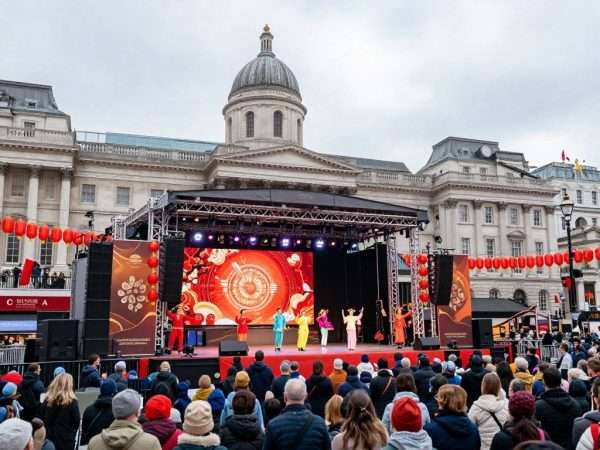
- London – The largest Lunar New Year celebration in Europe centers around Trafalgar Square and Chinatown, featuring performances, food stalls, and a parade with dragon and lion dances.
- Paris – The 13th arrondissement hosts parades and cultural events, while the city’s many Asian restaurants offer special New Year menus.
- Milan – Italy’s Chinese community celebrates with a parade through the Chinatown district, featuring traditional performances and culinary specialties.
Oceania
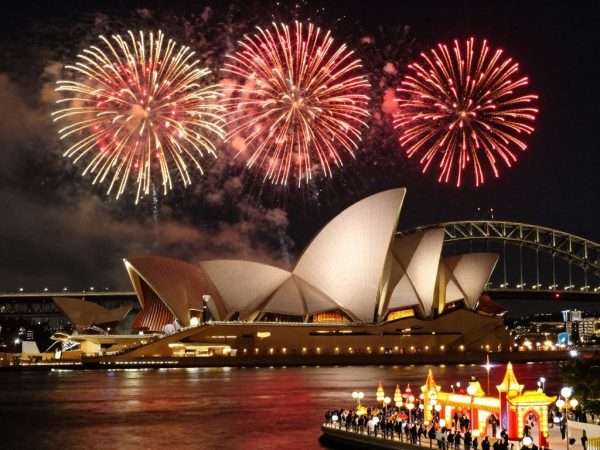
- Sydney – The city transforms with the Lunar New Year Festival featuring lantern displays, night markets, and the illumination of the Opera House in red.
- Melbourne – The city’s celebration includes dragon boat races, cultural performances, and food festivals across multiple locations.
- Auckland – New Zealand’s largest city hosts lantern festivals, cultural performances, and markets featuring traditional crafts and cuisine.
Cultural Adaptation and Evolution
As Lunar New Year celebrations have spread globally, they’ve evolved to reflect local contexts while maintaining core traditions:
Preservation of Traditions
Diaspora communities have worked diligently to preserve essential elements of Lunar New Year celebrations:
- Family gatherings remain central, though they may include friends and community members when family is distant
- Traditional foods are prepared, often adapting recipes to locally available ingredients
- Cultural performances maintain connections to heritage arts
- Red envelopes and symbolic decorations continue to play important roles
Modern Innovations
Contemporary celebrations often incorporate new elements that reflect changing times:
- Digital red envelopes sent through apps like WeChat
- Virtual family reunions via video calls when travel isn’t possible
- Fusion cuisine that blends traditional symbolic foods with local culinary styles
- Corporate sponsorship of public celebrations
- Educational components that explain traditions to multicultural audiences
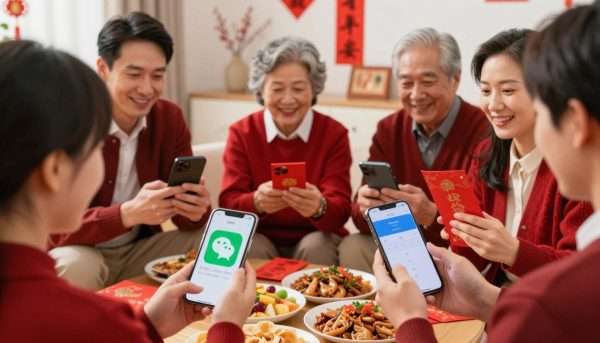
Digital red envelopes represent how traditional customs adapt to modern technology
Multicultural Participation
One of the most significant evolutions in global Lunar New Year celebrations is the increasing participation of people from diverse cultural backgrounds. What began as celebrations within Asian communities has expanded to become inclusive cultural festivals that invite broader participation:
- Educational programs in schools introduce children to Lunar New Year traditions
- Corporate recognition of the holiday through workplace celebrations and acknowledgment
- Museums and cultural institutions hosting exhibitions and events
- Restaurants beyond Asian cuisine offering special Lunar New Year menus
- Mainstream retailers incorporating Lunar New Year themes and products
This cultural exchange represents the evolving nature of Lunar New Year as both a preservation of heritage and a bridge between communities. While commercialization presents challenges, the growing global recognition of Lunar New Year also creates opportunities for cultural appreciation and understanding.
Stay Updated on Cultural Celebrations
Join our newsletter to receive updates on Lunar New Year and other cultural celebrations happening in your area. Get exclusive access to event calendars, traditional recipes, and cultural insights.
The Enduring Relevance of Lunar New Year
In a rapidly changing world, Lunar New Year celebrations continue to thrive and evolve. The festival’s enduring popularity speaks to its ability to address fundamental human needs for connection, continuity, and cultural identity. Even as societies modernize, the core values embodied in Lunar New Year traditions remain deeply relevant.
Family Bonds in a Digital Age
Perhaps the most significant aspect of Lunar New Year is its emphasis on family reunion. In an era when families are often geographically dispersed and daily life moves at an accelerated pace, the festival provides a structured occasion for reconnection.
The massive annual migration of people returning home for Lunar New Year—often called the world’s largest human migration—demonstrates the continued priority placed on family bonds. When physical reunion isn’t possible, technology now enables virtual participation through video calls and digital red envelope exchanges.
This adaptation illustrates how the essence of the tradition—family connection—persists even as its expression evolves to accommodate contemporary realities.
Cultural Identity and Heritage
For diaspora communities and younger generations, Lunar New Year serves as a powerful anchor to cultural heritage. The festival provides tangible ways to experience and express cultural identity through food, language, arts, and shared customs.
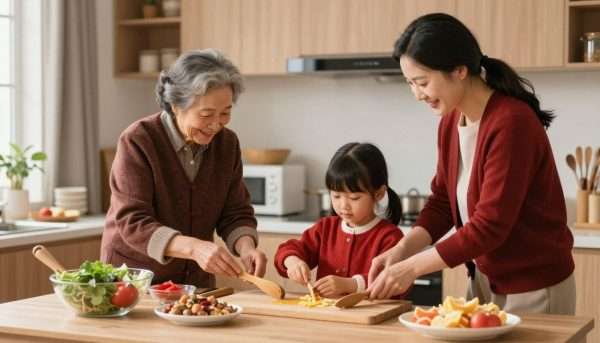
Parents and grandparents use the occasion to transmit cultural knowledge and values to younger generations. Children learn about their heritage through participation in traditions, creating memories that form the foundation of cultural identity.
The increasing visibility of Lunar New Year in multicultural societies also offers opportunities for cultural exchange and appreciation, fostering greater understanding across communities.
Balancing Tradition and Innovation
Contemporary Lunar New Year celebrations reflect the ongoing negotiation between preserving traditions and adapting to changing circumstances. This balance manifests in several ways:
How are traditional practices being preserved?
Cultural organizations, community centers, and families work actively to document and continue traditional practices. Cooking classes teach symbolic foods, cultural performances maintain traditional arts, and elders share stories and customs with younger generations. Digital archives and social media also help document and share traditional knowledge.
What innovations are emerging in celebrations?
Technology has transformed many aspects of the celebration, from digital red envelopes to virtual reunions. Environmental concerns have led to electronic firecrackers and sustainable decorations. Fusion cuisine blends traditional symbolic ingredients with contemporary culinary trends. Social media creates new ways to share celebrations and connect with distant family members.
How is commercialization affecting the holiday?
Like many cultural celebrations, Lunar New Year has experienced increasing commercialization. Special product releases, themed marketing campaigns, and commercial events now accompany the holiday season. While this raises concerns about cultural authenticity, it also increases visibility and accessibility. Many families navigate this by combining commercial elements with more intimate, traditional practices.
Universal Themes
The enduring appeal of Lunar New Year also lies in its universal themes that resonate across cultures:
Renewal and Fresh Starts
The concept of leaving behind the old year’s misfortunes and beginning anew with hope and optimism resonates universally. The cleaning rituals, new clothes, and emphasis on positive words and actions speak to the human desire for renewal and second chances.
Gratitude and Reflection
Lunar New Year traditions encourage reflection on the past year and gratitude for blessings received. The honoring of ancestors acknowledges those who came before, while family gatherings celebrate present connections. This cycle of remembrance and appreciation provides meaningful structure to marking time’s passage.
Hope and Aspiration
The symbolic foods, decorations, and customs all express hopes for the future—prosperity, health, happiness, and success. These aspirations are universal human desires, making the festival’s optimistic orientation appealing across cultural boundaries.
As Lunar New Year continues to evolve in the 21st century, it demonstrates how cultural traditions can remain vibrant and relevant by balancing preservation with adaptation. The festival’s focus on fundamental human values—family connection, cultural continuity, renewal, and hope—ensures its continued significance in a changing world.
Embracing the Spirit of Lunar New Year
Lunar New Year stands as one of humanity’s most vibrant and enduring cultural celebrations—a testament to the power of tradition to connect generations and communities across time and space. From its ancient agricultural origins to its contemporary global presence, the festival continues to evolve while maintaining its essential character.
At its heart, Lunar New Year celebrates renewal and connection. The meticulous cleaning that sweeps away the old year’s misfortunes, the reunion dinner that brings families together around one table, the red envelopes that pass good fortune between generations, and the symbolic foods that express hopes for the future—all these elements work together to create a meaningful transition from one year to the next.
Whether celebrated in a village in rural China, a high-rise apartment in Singapore, or a community center in London, Lunar New Year reminds us of our shared human desire for fresh beginnings, family bonds, and hopeful futures. In a world that often emphasizes differences, the festival offers a beautiful example of how cultural traditions can both preserve unique heritage and create bridges of understanding between communities.
As we witness Lunar New Year celebrations continuing to thrive and adapt in the 21st century, we can appreciate how this ancient festival demonstrates the dynamic nature of living culture—neither frozen in time nor completely reinvented, but thoughtfully evolving to remain meaningful in changing contexts. In this balance between tradition and innovation lies the secret to the festival’s enduring relevance and global appeal.
Continue Your Cultural Journey
Deepen your understanding of Lunar New Year and other cultural celebrations with our comprehensive resources. Download our free guide to start your exploration of global cultural traditions.













Leave A Comment