
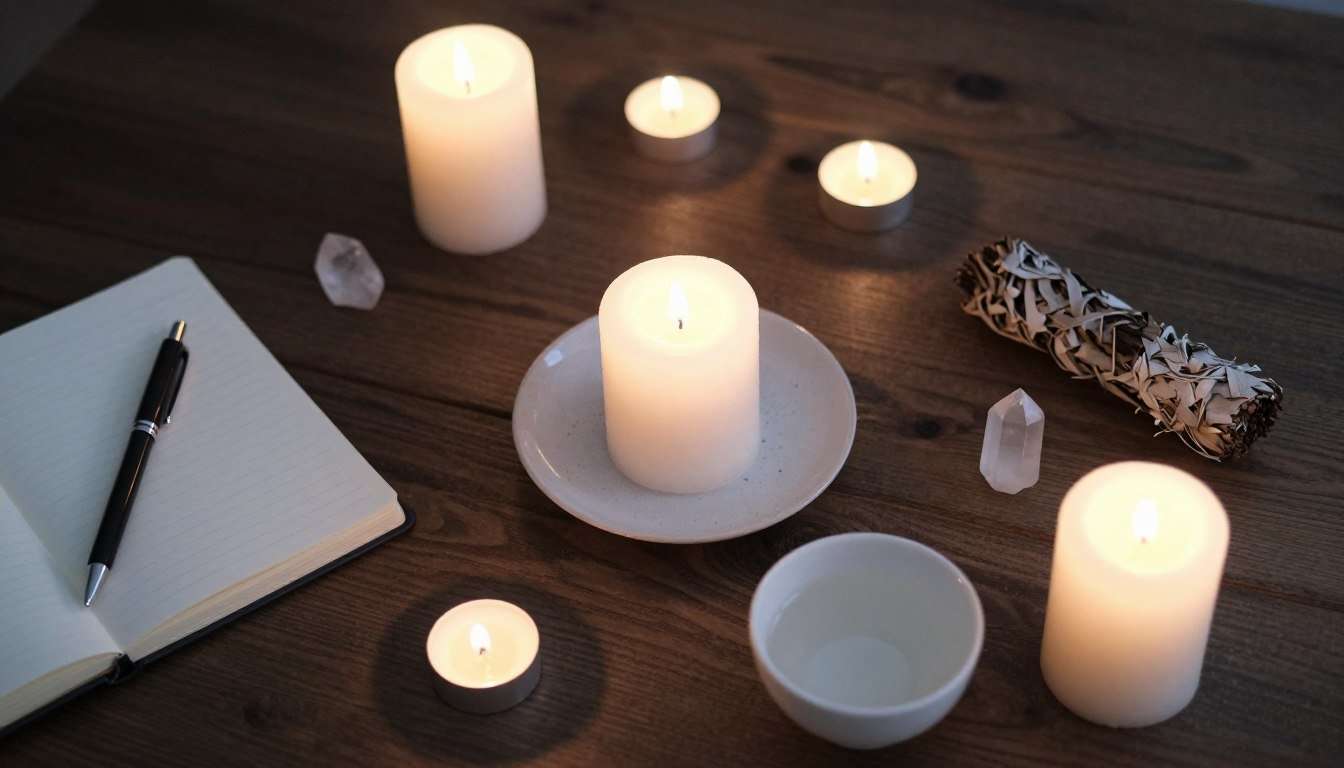
The night sky grows dark. The moon disappears from view. This monthly celestial event creates a powerful window for personal transformation. New moon rituals have guided human spiritual practice for thousands of years across countless cultures.
These sacred practices offer more than ancient tradition. They provide a structured approach to personal growth and intention setting. The new moon marks the beginning of the lunar cycle. This natural rhythm creates the perfect time for planting seeds of change in your life.
Whether you seek to manifest new opportunities or release old patterns, new moon rituals create space for reflection and renewal. This guide will walk you through everything you need to know. You will discover practical steps that honor both tradition and modern life.
What Are New Moon Rituals and Why Do They Matter?
A new moon ritual is a intentional practice performed during the new moon phase of the lunar cycle. This occurs when the moon sits between Earth and the sun. The illuminated side faces away from us. The sky appears moonless for approximately three days each month.
These rituals serve as personal ceremonies for setting intentions and creating space for new beginnings. The practice connects you to natural cycles that have influenced human behavior for millennia. Modern science confirms that lunar phases affect ocean tides and biological rhythms. Many people report feeling the energy shift during different moon phases.

The significance extends beyond astronomy. New moon rituals create structured moments for self-reflection in our busy lives. They offer a regular rhythm for checking in with your goals and values. This practice helps you stay aligned with what truly matters to you.
Think of the new moon as a blank page. The darkness represents pure potential before creation begins. This symbolism makes it the ideal time for planting metaphorical seeds. Your intentions need nurturing through the month ahead as the moon grows to fullness.
Traditional Purposes
- Honoring agricultural cycles and planting seasons
- Marking time and tracking monthly passages
- Connecting with feminine divine energy
- Celebrating natural rhythms and cycles
- Community gathering and shared ceremony
Modern Applications
- Setting personal and professional goals
- Manifesting desired outcomes and opportunities
- Beginning new projects or life chapters
- Releasing limiting beliefs and patterns
- Creating mindful pause in hectic schedules
The ritual itself transforms abstract wishes into concrete action. Writing down intentions activates different brain pathways than simply thinking them. The ceremonial aspects create memorable anchors. These markers help you remember and recommit to your goals throughout the month.
Ancient Wisdom: The Historical and Cultural Roots of Moon Rituals
New moon rituals stretch back to the earliest human civilizations. Archaeological evidence shows lunar tracking systems dating back over 30,000 years. Our ancestors carved moon phases into bone and stone. They understood the connection between celestial cycles and earthly life.
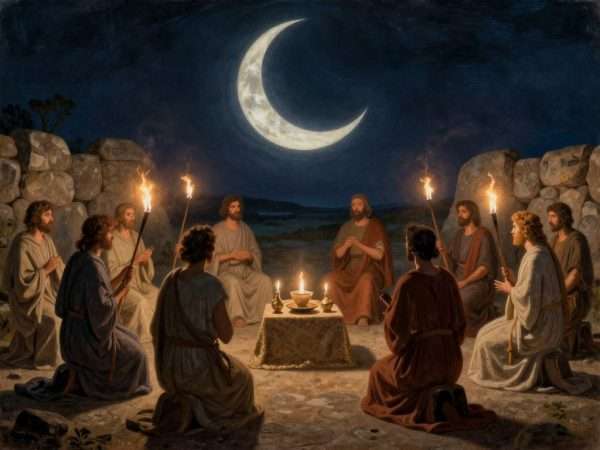
Ancient Mesopotamians developed sophisticated lunar calendars around 5,000 years ago. They scheduled religious festivals and agricultural activities according to moon phases. The new moon marked the beginning of their month. Special offerings and prayers honored this fresh start.
Hindu tradition celebrates Amavasya, the new moon day, as especially auspicious for spiritual practice. Devotees perform rituals to honor ancestors and deities. Many observe fasting and meditation during this time. The practice continues across India and Hindu communities worldwide today.
Chinese culture has honored the moon for over 3,000 years. The lunar calendar guides traditional festivals and important life events. New moon periods call for introspection and planning. The wisdom teaches that actions taken during this phase plant seeds for the month ahead.
Cultural Note: Indigenous peoples across North America tracked moon cycles through oral traditions and seasonal observations. Each new moon often received a name reflecting the natural events of that time of year. These names guided hunting, gathering, and planting activities essential for survival.
Ancient Egyptian priests studied lunar phases meticulously. They connected the moon goddess Isis to fertility and rebirth. New moon rituals in Egyptian temples involved purification and renewal ceremonies. These practices influenced later Western esoteric traditions.
European pagan traditions viewed the new moon as the Crone aspect of the triple goddess. This dark moon phase represented wisdom, endings, and the space between worlds. Practitioners used this time for divination and shadow work. The practice of setting intentions emerged from these introspective traditions.
Jewish tradition marks Rosh Chodesh, the new month, with the new moon sighting. This minor holiday involves special prayers and blessings. Women particularly observe this day as a time of renewal. The practice emphasizes both community celebration and personal reflection.
These diverse traditions share common themes despite geographic separation. They recognize the new moon as a time of potent energy for new beginnings. The darkness before the light symbolizes potential waiting to manifest. This universal wisdom transcends cultural boundaries and continues resonating today.
The Purpose and Powerful Benefits of New Moon Rituals
People practice new moon rituals for deeply personal reasons. The primary purpose centers on conscious creation and intentional living. These ceremonies transform passive wishing into active participation with your life direction. The ritual structure creates accountability and focus often missing from casual goal-setting.

The monthly rhythm provides regular check-in points. Most people struggle with maintaining focus on long-term goals. A new moon ritual every 29 days creates natural milestones. This frequency keeps your intentions fresh without becoming overwhelming.
Psychological and Emotional Benefits
Research in behavioral psychology supports ritual practice for mental wellbeing. Rituals reduce anxiety by creating predictable patterns. They provide a sense of control in uncertain times. The act of performing a new moon ritual activates your prefrontal cortex. This brain region handles planning and decision-making.
Mental Clarity
The ritual creates dedicated space for reflection. You step away from daily demands and distractions. This pause allows deeper consideration of what you truly want. Many practitioners report breakthrough insights during their new moon practice.
Emotional Release
Setting intentions for the new cycle often involves releasing the old. The ritual provides a safe container for processing emotions. You acknowledge what did not serve you last month. This creates space for new energy to enter your life.
Practical Real-World Applications
New moon rituals translate spiritual practice into tangible results. Writing your intentions activates the reticular activating system in your brain. This network helps you notice opportunities aligned with your goals. You become more aware of resources and connections that support your intentions.
- Career advancement through focused goal-setting and networking intentions
- Relationship improvement by setting intentions for communication and connection
- Health goals supported through monthly commitment renewal and planning
- Creative projects launched with clear vision and sustained attention
- Financial abundance cultivated through prosperity mindset and action steps
- Personal development accelerated with specific growth intentions each month
The practice builds self-trust over time. Each month you follow through reinforces your ability to create change. You develop evidence that you can commit and deliver. This growing confidence extends into all areas of life beyond the ritual itself.
Community connection strengthens when you share new moon practices with others. Group rituals create accountability partners and support systems. Sharing intentions with trusted friends amplifies their power. You feel less alone in pursuing your dreams and facing challenges.
Scientific Perspective: Studies on intention-setting and goal achievement show written goals are 42% more likely to be accomplished than unwritten ones. Adding ritual elements increases commitment and follow-through rates even further.
The benefits accumulate over consistent practice. Your first new moon ritual plants seeds. Regular monthly practice creates a garden of manifested intentions. Many long-time practitioners report transformative life changes they attribute to this dedicated focus and renewal cycle.
Common New Moon Ritual Practices and Sacred Traditions
New moon rituals incorporate diverse practices drawn from multiple traditions. You can create a simple five-minute ceremony or an elaborate hour-long ritual. The key lies in intentionality rather than complexity. What matters most is that your practice feels meaningful to you.
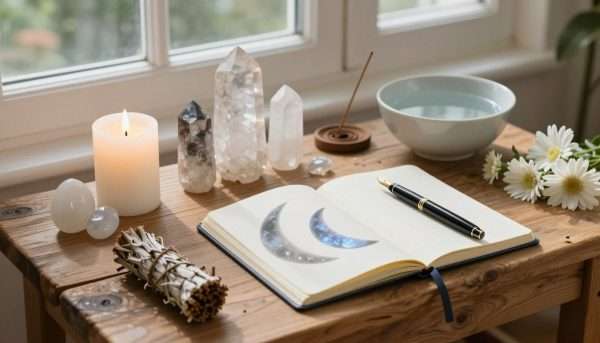
Intention Setting and Manifestation Work
Setting intentions forms the core of most new moon rituals. This practice differs from goal-setting in its energetic approach. Goals focus on doing and achieving. Intentions focus on being and becoming. You declare who you want to be and how you want to feel.
The new moon energy supports planting these intention seeds. Write your intentions in present tense as if already happening. This activates your subconscious mind to recognize opportunities. Use specific, emotionally resonant language that excites you when reading it.
- Choose three to five intentions maximum for the month ahead
- Write each intention beginning with “I am” or “I have”
- Include feeling words that describe your desired emotional state
- Make intentions specific enough to recognize but flexible in manifestation form
- Read your intentions aloud during the ritual to activate them
Meditation and Visualization Practices
Meditation during the new moon deepens your connection to lunar energy. The practice quiets mental chatter blocking creative insights. Even five minutes of stillness creates space for intuitive guidance about your intentions.
Visualization amplifies intention power significantly. After setting your intentions, close your eyes and imagine yourself living them. Engage all your senses in this mental rehearsal. What do you see, hear, feel, smell, and taste in this desired reality? The brain processes vivid visualization similarly to actual experience.

Journal Writing and Reflection
Journaling transforms internal thoughts into external reality. The act of writing engages different neural pathways than thinking alone. Your new moon journal becomes a sacred record of your spiritual journey and personal evolution.
Use journal prompts to explore your intentions more deeply. Write about obstacles you might face and how you will overcome them. Reflect on what you are ready to release from the previous month. Document insights that arise during meditation or throughout the ritual.
Powerful Journal Prompts: What am I calling into my life this month? What am I ready to release? How do I want to feel by the next new moon? What limiting beliefs need to shift? What support do I need to manifest my intentions?
Cleansing and Purification Rituals
Cleansing prepares your energy and space for new moon work. This practice removes stagnant or negative energy accumulated during the previous lunar cycle. Physical cleaning mirrors internal clearing. Many practitioners tidy their ritual space before beginning the ceremony.
Smudging with sage, palo santo, or incense provides energetic purification. As smoke rises, visualize it carrying away what no longer serves you. You can also use sound cleansing with bells, singing bowls, or chimes. Salt water baths or showers before ritual create personal purification.
Candle Work and Sacred Fire
Candles represent the returning light after the dark moon. Lighting a candle symbolizes illuminating your path forward. White candles work beautifully for new moon rituals representing pure potential. You might choose colors aligned with specific intentions like green for abundance or pink for love.
Some traditions write intentions on bay leaves or paper then burn them. The fire transforms your written word into energetic release. The smoke carries your intentions to the universe. Always practice fire safety and have water nearby for this practice.
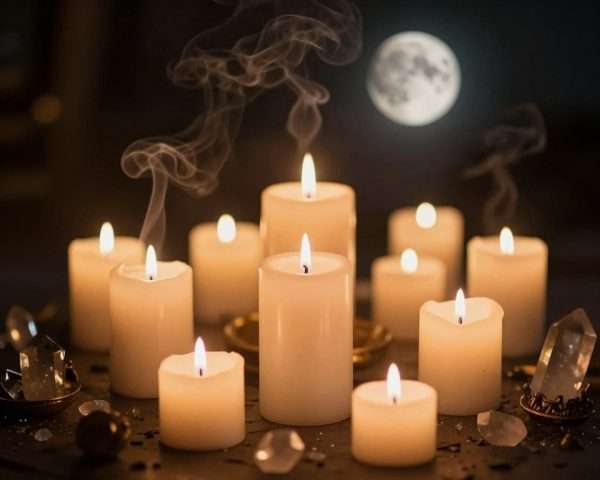
Crystal and Natural Element Work
Crystals amplify and hold energetic intentions. Clear quartz acts as a general amplifier for any intention. Moonstone connects specifically to lunar energy and new beginnings. Black tourmaline provides protection and grounding during spiritual work.
Water represents emotional flow and intuition during moon work. Place a bowl of water on your altar or drink blessed water during ritual. Earth elements like stones, soil, or salt ground your intentions in physical reality. These natural tools connect your practice to the material world.
Prayer, Affirmations, and Speaking Intentions
Speaking your intentions aloud activates them powerfully. Your voice creates vibration that moves energy. Prayer connects you to higher guidance or universal wisdom. Affirmations reprogram subconscious limiting beliefs holding you back.
Create personal affirmations aligned with each intention. Repeat them during your ritual and throughout the month. The repetition builds new neural pathways supporting your desired changes. Your words become the spells casting your future into being.
How to Perform Your Own New Moon Ritual: A Step-by-Step Guide
Creating your first new moon ritual need not feel complicated or intimidating. This straightforward guide walks you through each step. You can follow it exactly or adapt elements to match your personal style and available time. Trust your intuition about what feels right for you.
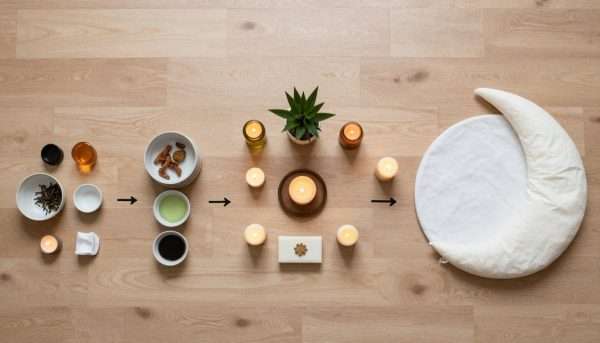
Step 1: Choose Your Timing
The new moon window lasts approximately three days. The most potent time falls on the exact new moon moment. You can find this timing through moon phase calendars or astronomy apps. However, performing your ritual anytime within 24 hours before or after works beautifully.
Consider your personal schedule when selecting ritual time. Some people prefer morning new moon rituals to set intentions for the day ahead. Others choose nighttime when the energy feels more introspective. Evening rituals allow you to work under the actual night sky even though the moon remains invisible.
Step 2: Prepare Your Sacred Space
Select a quiet location where you will not be interrupted. This might be a dedicated altar space or simply a corner of your bedroom. The space need not be large. What matters is that it feels safe and special to you.
Clean the physical area thoroughly. Dust surfaces, vacuum if needed, and remove clutter. This practical cleaning also clears stagnant energy. Consider your space a blank canvas for the new cycle you are beginning.
- Ensure comfortable seating with cushions or a chair
- Gather soft lighting like candles or string lights
- Remove electronic distractions and silence phones
- Set room temperature to comfortable levels
- Add elements that make the space feel sacred to you
Step 3: Gather Your Ritual Tools and Supplies
Simple tools create powerful rituals. You likely have most items already in your home. Purchase special ritual supplies only if they bring you joy. The magic comes from your intention and focus rather than expensive tools.
Essential Items
- Journal or paper
- Pen or pencil
- Candles and matches
- Comfortable seating
Optional Enhancements
- Crystals or stones
- Incense or sage
- Essential oils
- Fresh flowers
Personal Touches
- Meaningful photographs
- Inspiring quotes
- Natural objects
- Treasured keepsakes
Step 4: Cleanse Your Energy and Space
Begin with personal cleansing to arrive fully present. Take a ritual bath or shower beforehand if possible. As water flows over your body, visualize releasing stress and old energy. Put on clean, comfortable clothing that makes you feel good.
Cleanse your ritual space using your preferred method. Light incense or a smudge stick and move smoke around the area. Ring a bell or play singing bowls to clear energy with sound. Sprinkle salt water in the corners. Trust your intuition about what feels right.

Step 5: Ground and Center Yourself
Grounding connects you to earth energy and stabilizes your practice. Sit comfortably with your spine straight. Place both feet flat on the floor if sitting in a chair. Rest your hands gently on your knees or in your lap.
Close your eyes and take three deep breaths. Inhale through your nose for a count of four. Hold briefly. Exhale through your mouth for a count of six. Feel your body settling into stillness. Imagine roots growing from the base of your spine deep into the earth below.
Step 6: Set Sacred Intention for Your Ritual
Speak aloud or silently declare the purpose of your ritual. This focuses your energy and opens sacred space. Your words need not be formal or scripted. Simple, heartfelt language works perfectly.
You might say something like: “I gather here to honor the new moon and set my intentions for the month ahead. I open myself to guidance and wisdom. I commit to my growth and transformation.” Adapt these words to match your beliefs and comfort level.
Step 7: Reflect on the Previous Moon Cycle
Take time to acknowledge the month just passed. What manifested from last month’s intentions? What challenges arose? What did you learn about yourself? This reflection completes the previous cycle before beginning anew.
Write in your journal about the past month. Celebrate victories no matter how small. Acknowledge difficulties with compassion. Notice patterns or recurring themes. This awareness informs what intentions you set for the coming cycle.
Step 8: Write Your New Moon Intentions
Now you arrive at the heart of your ritual. Take your journal and write your intentions for this new moon cycle. Remember to focus on three to five clear intentions. More than this dilutes your energy and attention.
Write each intention in present tense affirmative language. Instead of “I want to find a better job,” write “I am thriving in fulfilling work that honors my talents.” Feel the emotion of your intention already manifested as you write each one.
Intention Formula: I am [state of being] + [specific area] + [emotional quality]. Example: “I am experiencing abundant health and vitality in my body” or “I am creating joyful, authentic connections in my relationships.”
Step 9: Meditate and Visualize Your Intentions
After writing, close your eyes again. Read each intention silently to yourself. Then spend a few minutes visualizing it fully manifested. Engage all your senses in this visualization. Make it as vivid and detailed as possible.
Notice how you feel in this visualization. Where do you experience the emotion in your body? Breathe into that feeling and amplify it. This emotional charge magnetizes your intention and programs your subconscious mind to recognize opportunities.
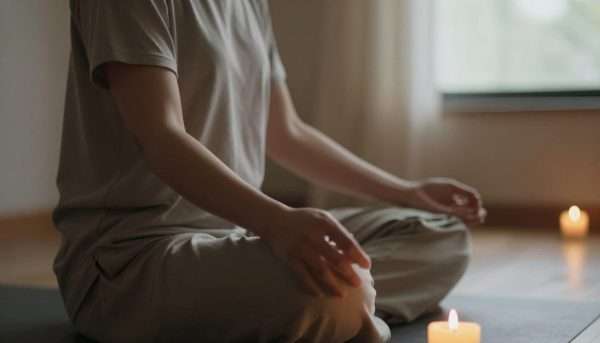
Step 10: Activate Your Intentions Through Ritual Action
Choose a ritual action to seal your intentions. This physical act creates a memorable anchor point. Light a candle while reading each intention aloud. Place crystals on your written intentions to charge them. Burn the paper and release intentions to the universe through smoke.
Some people plant actual seeds in soil while setting intentions, nurturing them as the moon grows. Others place their written intentions under their pillow or on their altar. The specific action matters less than the meaning it holds for you.
Step 11: Express Gratitude and Close Sacred Space
Thank any guides, deities, or universal forces you invoked during ritual. Express gratitude for the opportunity to set intentions and the support available to you. Acknowledge your own commitment to your growth and wellbeing.
Formally close your sacred space with words or gesture. You might say: “This sacred space is now closed. I carry these intentions forward into my daily life with trust and commitment.” Blow out candles mindfully. Clean up your space with reverence.
Step 12: Take Inspired Action Throughout the Month
The ritual plants seeds but action nurtures growth. Review your intentions regularly throughout the month. Place them where you will see them daily. Take one small action each day aligned with at least one intention.
Notice synchronicities and opportunities that arise. The universe responds to clear intention with support and resources. Stay alert and receptive. Be willing to receive in unexpected forms and from surprising sources.
Track your progress in your journal. Note manifestations as they occur. Document insights and guidance you receive. This record builds evidence of your manifesting power and strengthens your practice over time.

New Moon Ritual Starter Kit
Everything you need for your first new moon ceremony in one beautiful package. Includes ritual guide, journal, candle, crystal, and smudge stick.
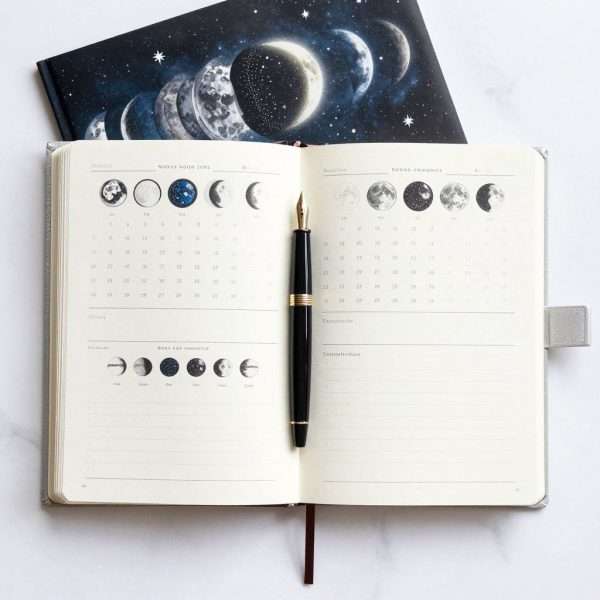
Lunar Intention Journal
A year-long guided journal designed specifically for moon ritual practice. Track all moon phases with prompts, calendars, and reflection pages.
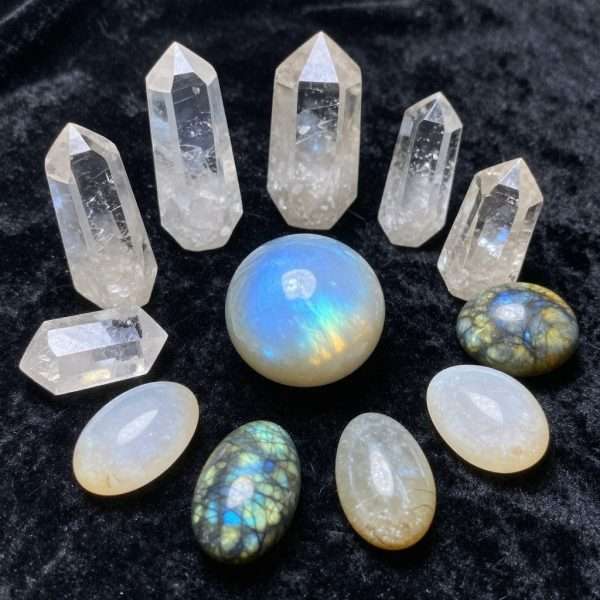
Moon Ritual Crystal Set
Carefully selected crystals that amplify new moon energy and intention-setting work. Includes guidebook explaining each stone’s properties and uses.
Different Cultural and Spiritual Approaches to New Moon Rituals
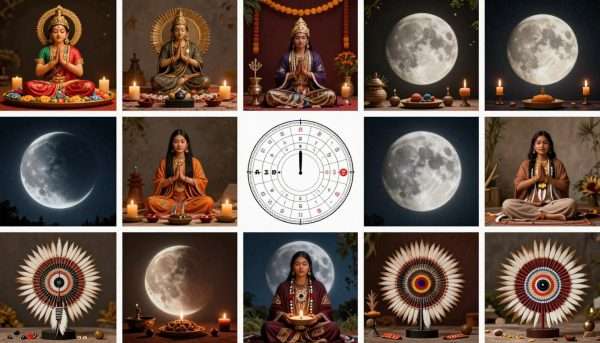
New moon rituals manifest differently across various spiritual traditions and cultures. Each approach offers unique wisdom and practices. Exploring different traditions enriches your personal practice. You might incorporate elements from multiple paths that resonate with your spirit.
Modern Witchcraft and Pagan Traditions
Contemporary pagan and witchcraft practices embrace the new moon as a powerful magical time. Many practitioners call this the dark moon rather than new moon. They view this phase as ideal for shadow work and banishing spells before setting new intentions.
Wiccan tradition often includes casting a circle for protection and sacred space. The practitioner calls the four directions and elements. Moon goddess invocations honor feminine divine energy. Spell work during this time focuses on new beginnings and attraction magic.
Solitary practitioners might work with tarot or oracle cards during new moon rituals. The cards provide guidance about which intentions to focus on this cycle. Some create vision boards or manifestation boxes during their ceremony. These visual tools keep intentions active throughout the month.
Yoga and Vedic Astrology Approaches
Yogic tradition views the new moon or Amavasya as a day of spiritual significance. Many devoted practitioners observe fasting or lighter eating during this time. The practice redirects digestive energy toward spiritual pursuits and meditation.
New moon yoga practice often emphasizes restorative poses and meditation. The energy feels more introspective than active. Yin yoga or gentle flow sequences honor this quieter lunar phase. Breathwork practices calm the nervous system and quiet mental chatter.
Vedic astrology adds another layer to new moon work. Each new moon occurs in a different zodiac sign. The sign’s qualities influence the nature of intentions you might set. A new moon in fiery Aries supports bold action while one in watery Cancer favors emotional healing.
Fire Sign New Moons
Aries, Leo, Sagittarius new moons ignite passion and courage. Set intentions around taking action, leadership, adventure, and creative self-expression. These cycles support bold moves and confident manifestation.
Earth Sign New Moons
Taurus, Virgo, Capricorn new moons ground intentions in practical reality. Focus on material abundance, career goals, health routines, and building solid foundations. These cycles reward planning and disciplined action.
Air Sign New Moons
Gemini, Libra, Aquarius new moons activate mental and social energy. Set intentions for communication, relationships, learning, and community connection. These cycles support networking and intellectual pursuits.
Water Sign New Moons
Cancer, Scorpio, Pisces new moons deepen emotional and intuitive work. Focus on healing, spiritual development, artistic creation, and emotional intimacy. These cycles support inner exploration and psychic development.
Christian and Prayer-Based Practices
Some Christian practitioners incorporate new moon awareness into their spiritual life. They may not perform rituals in the pagan sense but honor the cycle through dedicated prayer and reflection. The new moon becomes a reminder for spiritual renewal and fresh commitment to faith.
Prayer journals replace traditional intention setting. Believers write prayers for the month ahead and dedicate specific areas of life to divine guidance. They may fast during the new moon as a spiritual discipline. Scripture reading and meditation on biblical passages about new beginnings enhance the practice.
Contemplative Christian traditions find natural alignment with new moon rhythms. The darkness symbolizes resting in God before new light emerges. Silent meditation and centering prayer during this time deepen connection to the divine presence within.
Buddhist and Mindfulness Approaches
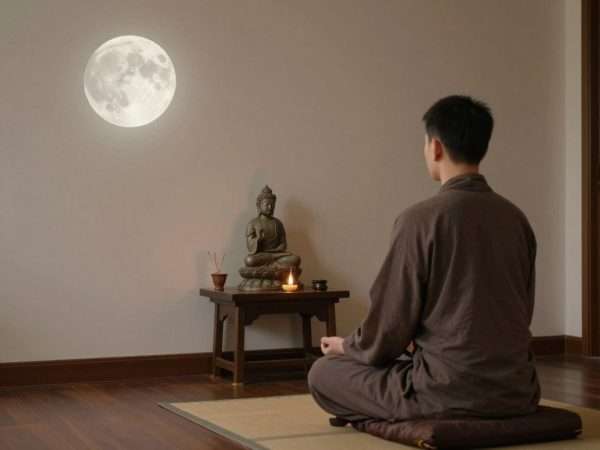
Buddhist tradition has long honored moon phases in practice and teaching. The new moon or Uposatha day marks a time for heightened spiritual effort. Devoted practitioners may observe the eight precepts and spend extra time in meditation.
Mindfulness-based new moon practice emphasizes present moment awareness over future manifestation. The ritual becomes about being fully present with whatever arises. Intentions focus more on qualities to embody like patience or compassion rather than external outcomes.
Loving-kindness meditation fits beautifully into new moon practice. Practitioners extend wishes for wellbeing to themselves and others. The new moon energy supports planting seeds of compassion that grow throughout the cycle. This approach reduces attachment to specific outcomes while maintaining intentional focus.
Indigenous and Earth-Based Traditions
Indigenous traditions worldwide have honored moon cycles for thousands of years. Each culture developed unique practices tied to their specific environment and needs. These traditions emphasize connection to land, seasons, and natural rhythms.
Many Indigenous practices view the new moon as a time for community gathering and storytelling. Elders share wisdom during this introspective phase. The darkness invites looking inward before taking outward action. Respect for these closed cultural practices means learning about them without appropriating sacred ceremonies.
Earth-based practitioners might work with the specific energies of the season during new moon rituals. A winter new moon emphasizes rest and dreaming while a summer new moon supports active growth. Observing natural cycles in your specific location deepens ritual practice and ecological awareness.
Essential Tips for Beginners Starting New Moon Ritual Practice
Beginning a new spiritual practice can feel both exciting and overwhelming. These practical tips will help you start your new moon ritual journey with confidence. Remember that every expert practitioner was once a complete beginner. Give yourself permission to learn and grow.

Start Simple and Build Gradually
Your first new moon ritual need not include every practice mentioned in this guide. Choose one or two elements that resonate most strongly. Perhaps you simply light a candle and write three intentions. This simplicity creates sustainability rather than overwhelming complexity.
Add new elements gradually over several months as you gain comfort. Try incorporating crystals one month. Experiment with meditation the next. This gradual approach allows you to discover what truly enhances your practice versus what feels like obligatory performance.
- Begin with just 15 minutes for your first few rituals
- Use items you already own before purchasing special tools
- Follow a simple script or template until you develop personal style
- Focus on one or two intentions rather than an overwhelming list
- Prioritize consistency over perfection in your practice
Release Perfectionism and Embrace Your Unique Path
No single correct way to perform new moon rituals exists. Different traditions offer different approaches because humans are beautifully diverse. Your practice should feel authentic to you rather than copied from someone else.
Perfectionism kills more spiritual practices than any other factor. The voice saying you are doing it wrong or not spiritual enough serves only to disconnect you from your truth. Trust that your sincere intention matters more than perfect execution of any ritual steps.
Mistakes and awkward moments happen to everyone. Perhaps you forget a step or stumble over words. These moments are part of the learning process. Laugh gently at yourself and continue. The universe appreciates your effort and sincerity above flawless performance.
Create Consistency Through Ritual Triggers
Building a new habit requires environmental and psychological triggers. Set calendar reminders for upcoming new moons so you do not forget. Prepare your ritual supplies in advance so obstacles do not derail your practice when the day arrives.
Consider performing your ritual at the same time of day each month. This consistency trains your mind and body to anticipate the practice. Your energy naturally shifts into ritual mode when that time approaches. Morning rituals might become part of your wake-up routine while evening ceremonies signal day’s end.
Habit Stacking Tip: Link your new moon ritual to an existing habit. If you already have a morning tea routine, perform your ritual immediately after. This connection leverages established neural pathways to build your new practice faster.
Track Your Results and Manifestations
Keep a dedicated moon journal to record your intentions and results. Write the date of each new moon and what you intended. Review this journal monthly to notice what manifested. This evidence builds faith in the practice and your manifesting abilities.
Notice both obvious manifestations and subtle shifts. Perhaps you intended new career opportunities and received an unexpected job lead. Maybe you set intentions around inner peace and notice yourself responding more calmly to stress. All results count and deserve acknowledgment.
Tracking also reveals patterns in how you set intentions. You might notice certain phrasing works better for you. Some intention areas manifest quickly while others take longer. This self-knowledge refines your practice over time and increases effectiveness.
Find Community and Support
Connecting with others who practice new moon rituals enhances your experience. Look for online communities, local spiritual groups, or moon circles in your area. Sharing the journey reduces isolation and provides accountability.
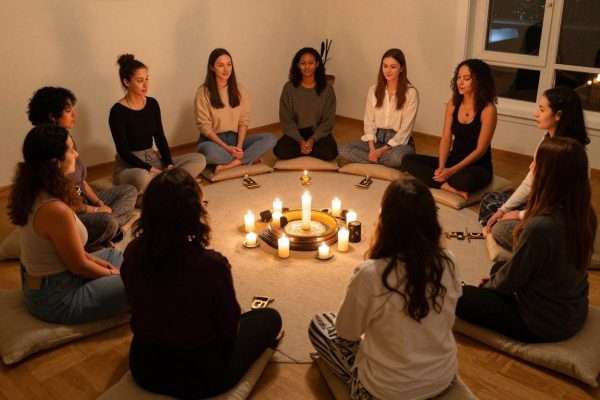
Group new moon rituals create powerful collective energy. Consider gathering with friends who share interest in this practice. You might take turns hosting monthly ceremonies. The shared experience deepens both your practice and your friendships.
If you cannot find local community, online spaces offer wonderful connection. Social media groups dedicated to moon rituals share ideas, experiences, and encouragement. Virtual moon circles allow practitioners worldwide to connect in real-time during new moon periods.
Honor Your Energy and Adjust Accordingly
Some new moons you will feel energized and inspired for elaborate ritual. Others you might feel exhausted or distracted. Both states are valid. Adjust your practice to honor where you actually are rather than where you think you should be.
A shortened ritual during challenging times still counts. Even five minutes of intention setting maintains your connection to the practice. Self-compassion during difficult periods prevents the all-or-nothing thinking that abandons practices entirely.
Listen to your intuition about what you need each month. One new moon might call for vigorous movement and dancing. Another might request quiet stillness and gentle self-care. Your practice should serve your wellbeing rather than become another demanding obligation.
Learn From Resources But Trust Yourself
Books, courses, and articles about new moon rituals offer valuable guidance. Learn from teachers and traditions that resonate with you. Absorb wisdom and techniques that feel aligned with your path. Education strengthens your foundation.
However, external authorities cannot know what is right for your unique soul and situation. Use resources as inspiration rather than rigid rules. Give yourself permission to adapt, modify, and personalize any teaching. Your intuition is your ultimate guide.
Notice when learning becomes procrastination. Some people endlessly research without ever beginning practice. At some point you must close the books and light the candle. Start practicing even while still learning. Experience teaches lessons no book can convey.
Commit to At Least Three Months
Give new moon ritual practice at least three full cycles before deciding if it serves you. The first month might feel awkward and uncertain. The second builds familiarity. The third often brings breakthrough insights and tangible results.
Spiritual practices require time to integrate into your life and consciousness. Three months provides enough repetition to establish neural pathways and energetic patterns. You will have collected evidence of what works and what needs adjustment.
After three months you can make an informed decision about continuing. Many people find the practice so rewarding it becomes a lifelong rhythm. Others discover it does not fit their path right now. Either outcome provides valuable self-knowledge.
The Modern Relevance of New Moon Rituals in Contemporary Life
Ancient moon rituals might seem disconnected from modern life. Yet these practices address fundamental human needs that transcend time periods. The fast pace and constant connectivity of contemporary existence make intentional ritual more relevant than ever before.

Counterbalance to Digital Overwhelm
We live in an age of perpetual stimulation and information overload. Screens demand attention from morning until night. Social media creates constant comparison and artificial urgency. This environment fragments focus and depletes mental energy.
New moon rituals create sacred pause in the digital chaos. For the duration of your ceremony, you disconnect from devices and external demands. This monthly digital sabbath allows your nervous system to reset. The practice reminds you that you are more than your online presence or productivity metrics.
The ritual space invites presence impossible to maintain amid constant notifications. You reconnect with your actual desires rather than algorithmically suggested wants. This clarity becomes increasingly precious in a world designed to capture and monetize your attention.
Structure for Self-Reflection and Goal Setting
Modern life moves so quickly that months blur together without distinct markers. New moon rituals create natural checkpoints for reflection and recalibration. The monthly rhythm prevents years from passing without conscious intention or direction.
Traditional annual goal-setting often fails because twelve months proves too long to maintain focus. Monthly new moon intentions provide more manageable timeframes. You can adjust course twelve times per year rather than waiting until next January to try again.
The practice also separates you from hustle culture’s toxic productivity messages. New moon rituals emphasize being and becoming rather than only doing and achieving. This perspective shift reduces burnout and reconnects you to intrinsic values beyond external success markers.
Research Insight: Studies show that regular self-reflection practices improve emotional regulation, decision-making, and life satisfaction. Monthly ritual provides the structure many people need to maintain reflective practice consistently.
Connection to Natural Rhythms and Cycles
Urban living disconnects most people from natural cycles and seasonal changes. Climate-controlled buildings and artificial lighting obscure the passage of time. This disconnection from nature correlates with increased anxiety and depression rates.
Following moon phases restores awareness of natural rhythms. You notice the night sky changing throughout the month. This attention reconnects you to forces larger than human creation. The practice grounds you in the physical world while nurturing spiritual awareness.
Women particularly benefit from honoring cyclical rather than linear time. Female bodies operate on approximately monthly cycles. Moon ritual practice validates this cyclical nature rather than forcing conformity to constant productivity. The permission to ebb and flow with natural energy reduces shame and self-judgment.
Community Building in Isolated Times
Loneliness and social isolation have reached epidemic levels in developed nations. Technology promises connection while often delivering only superficial interaction. Many people hunger for meaningful community and shared ritual experience.
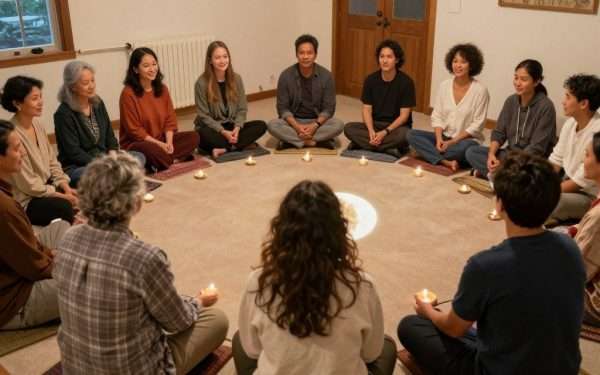
New moon circles bring people together around common practice and values. These gatherings create belonging based on shared spirituality rather than geographic proximity alone. Virtual moon circles allow connection across distances, building global community among practitioners.
The ritual format provides structure for gathering that feels purposeful rather than purely social. Introverts and socially anxious people often find moon circles more comfortable than unstructured socializing. The ceremony creates container and focus that facilitates authentic connection.
Accessibility and Adaptability
New moon rituals require no expensive equipment, special credentials, or institutional membership. This accessibility makes the practice available to anyone regardless of economic status. The democratization of spiritual practice empowers individuals outside traditional religious structures.
The flexibility allows adaptation to any belief system or spiritual path. Atheists can practice moon rituals as purely psychological tools for focus and manifestation. Religious practitioners incorporate new moon awareness into existing faith traditions. This versatility ensures relevance across diverse populations.
Physical limitations do not prevent participation. Bedridden individuals can perform full rituals from bed. Those with limited vision can focus on other sensory elements. Mental health challenges may actually benefit from ritual structure’s grounding and predictability.
Environmental Awareness and Activism
Paying attention to moon phases naturally increases awareness of larger environmental patterns. Practitioners often become more conscious of weather, seasons, and ecological relationships. This attention frequently translates into increased environmental concern and action.
Many modern practitioners set new moon intentions around environmental healing and sustainable living. The practice might include commitments to reduce consumption, support conservation efforts, or educate others. Moon rituals become vehicles for environmental activism grounded in spiritual connection to earth.
The cyclical worldview inherent in moon practice contrasts sharply with linear extraction-based economics. Recognizing cycles of growth, harvest, rest, and renewal challenges dominant narratives about endless growth. This shift in perspective supports more sustainable and regenerative approaches to living.
Integration of Ancient Wisdom and Modern Psychology
Contemporary new moon practice beautifully blends ancestral wisdom with modern psychological understanding. Ancient ritual forms meet current knowledge about neuroscience, habit formation, and manifestation. This integration creates powerful practice grounded in both tradition and evidence.
Psychologists increasingly recognize ritual’s therapeutic value for mental health. The predictable structure reduces anxiety. The meaning-making satisfies deep human needs. The community aspect addresses isolation. New moon rituals check all these boxes while remaining accessible outside clinical settings.
The practice also honors that humans need more than purely rational approaches to life. We are emotional, spiritual beings requiring beauty, mystery, and connection to something larger than ourselves. New moon rituals feed these essential but often neglected aspects of human wholeness.
As we move further into the 21st century, ancient practices adapted for modern life become bridges between past and future. New moon rituals offer continuity with human ancestors while addressing contemporary challenges. This timeless yet timely practice will likely continue serving humans for generations to come.
Transform Your Life With Moon Magic Mastery
Join our comprehensive 12-month Moon Manifestation Program. Learn advanced ritual techniques, receive personalized guidance, and connect with a supportive community of practitioners. Monthly live ceremonies, exclusive content, and one-on-one coaching included.
Beginning Your New Moon Journey
You now hold comprehensive knowledge about new moon rituals and their practice. From ancient origins to modern applications, you understand the why and how of this powerful spiritual tool. The wisdom of countless cultures and traditions lives in these simple monthly ceremonies.
Your new moon practice need not look like anyone else’s. Take what resonates from this guide and leave what does not. Trust your intuition to create rituals that feel authentic and meaningful to you. The most powerful practice is the one you will actually maintain consistently.
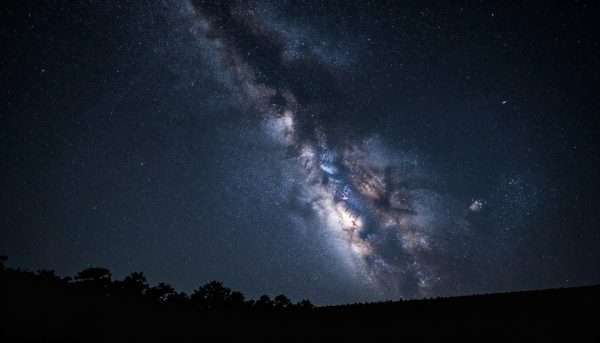
The next new moon offers your opportunity to begin. Mark the date on your calendar now. Gather a few simple supplies. Give yourself permission to start imperfectly. Your journey unfolds one moon at a time, one intention at a time, one small step at a time.
Remember that you join millions of humans across time who have looked to the moon for guidance and inspiration. This practice connects you to something far larger than individual experience. You participate in an ancient dance between earth and sky, darkness and light, intention and manifestation.
May your new moon rituals bring clarity to confusion, peace to chaos, and manifestation to your deepest intentions. May you discover your own unique rhythm within the eternal cycle of renewal. The new moon awaits your attention and intention. Your transformation begins now.
















Leave A Comment