
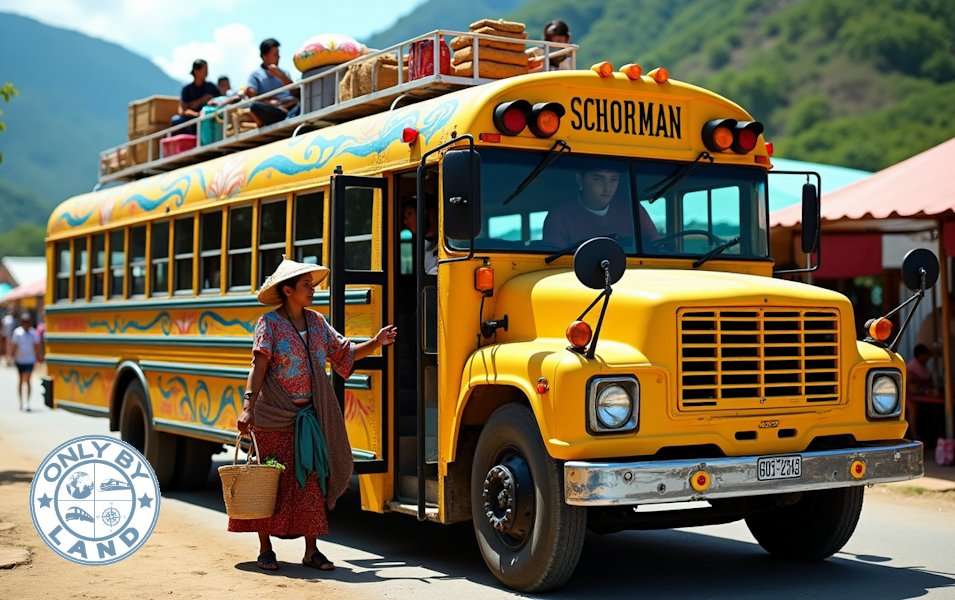
Repurposed North American school busses, known as chicken busses, are the backbone of public transportation travel in Central America. These iconic vehicles run an impressive 2000 kilometers along the Pan-American Highway. The busses might look simple compared to modern transport, but locals rely on them as their main way to get around. You’ll find them stopping at every city, town and hamlet along their routes.
These distinctive busses have grown beyond mere transportation from Guatemala to Nicaragua – they’ve become cultural symbols. Panama’s residents call them “Diablos Rojos” (Red Devils). The brightly decorated vehicles offer an authentic experience with caged chickens and upbeat music. Modern alternatives are making their way into the region though. Costa Rica leads the change by testing electric busses and aims to switch completely to electric transport by 2030.
This piece covers all the essential information travelers should know about Central America’s busy bus network. Readers will learn about local customs and tips to ensure a safe and memorable trip through the region.
What Is a Chicken Bus and Why It’s So Popular
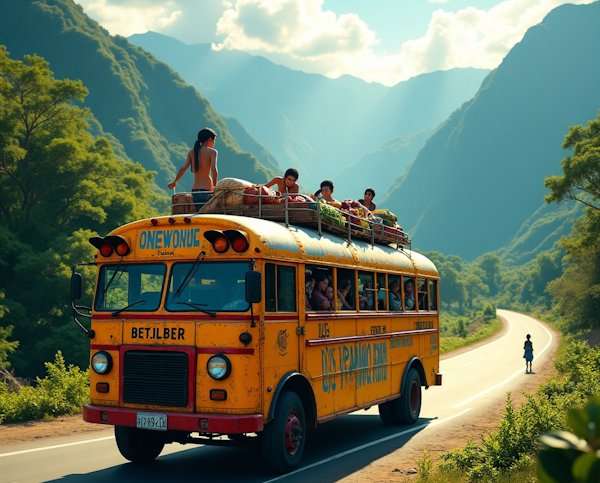
These eye-catching busses with their bright paint jobs rule Central American roads, though they started life in a much different setting. School districts in the United States and Canada used them first, but after ten years of service, they found new homes down south. Smart business owners from Central America buy these busses at auctions and drive them through Mexico to create what’s now the region’s main form of public transport.
Origin of the Term ‘Chicken Bus’
The name “chicken bus” comes straight from everyday life in rural Central America. People often bring their live animals – especially chickens – along for the ride. This still happens a lot today, particularly when farmers head to market with their livestock. The name stuck even more because passengers squeeze together just like chickens in a coop.
Different countries use different names. Guatemala’s locals say “camionetas” or just “busses,” while people in Nicaragua like to call them “rugidos” (“roars”) because of their loud engines. Yet travelers everywhere know them simply as “chicken busses.”
How They Became the Backbone of Central American Travel
These busses became Central America’s main way to get around because they made perfect sense economically and practically. Not many people own cars here, so these tough, simple-to-fix vehicles offer a cheap way to travel. Mechanics can fix them with simple tools and parts, which works great in places without fancy repair shops.
Local craftsmen turn these plain yellow school busses into stunning pieces of art. They upgrade the engines to handle mountain roads and redesign the inside to fit more passengers. The most striking change comes from artists who cover the busses in beautiful paintings – often showing religious scenes, family names, or pop culture icons.
Remote villages depend on these busses to reach bigger towns. The schedules might not be exact, but the busses run regularly. They stick mostly to highways but can handle dirt roads up mountains too, reaching places big bus companies won’t go.
Where You’ll Find Them: Guatemala, Honduras, Nicaragua and Beyond
Guatemala shows off the most colorful chicken bus culture in Central America. Hundreds of routes run through busy terminals in Antigua and Guatemala City. The busses here really stand out with their shiny chrome, detailed paintings and personal touches that show their owners’ style.
Honduras needs these busses everywhere. The busiest routes connect big cities like Tegucigalpa and San Pedro Sula with smaller towns. The busses might not look as fancy as Guatemala’s, but thousands of people count on them every day.
Nicaragua’s rural communities stay connected to cities like Managua, León, and Granada thanks to these busses. Farmers really need them during harvest time to get their crops to market.
El Salvador and Panama still have chicken busses running around, though modern busses are taking over in some places. Belize and Costa Rica mostly switched to regular bus systems, but you can still catch chicken busses in some country areas.
These transformed school busses mean more than just getting from A to B in Central America. They bring communities together, help local businesses thrive, and give travelers a real taste of daily life in this part of the world.
More things to do in Nicaragua.
How to Ride a Chicken Bus Like a Local
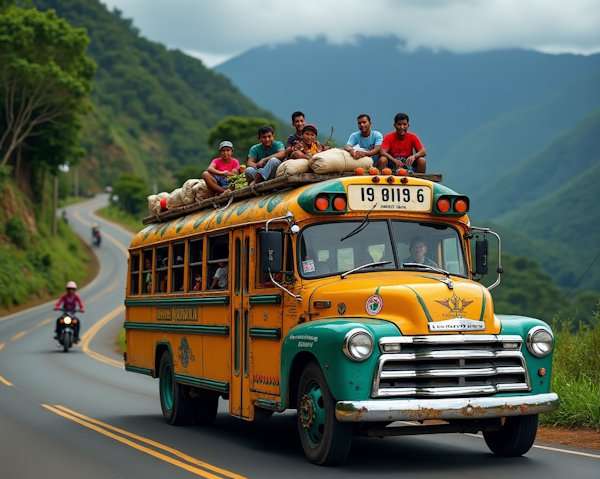
Getting around Central America on public transport takes some local wisdom, especially when it comes to their famous way of travel. A chicken bus might look scary at first, but these simple tips will help you travel just like the locals do.
Finding the Right Bus and Reading the Signs
Your first challenge is spotting the right chicken bus. These busses don’t run on fixed schedules – they leave when they’re full or when the driver feels it’s time. Still, they stick to set routes between towns and villages.
To find your bus:
- The local bus terminal is your best bet
- Check the destination written in bright letters on the front windshield
- Listen out for ayudantes yelling destinations to get passengers
- Standing by the road and waving works well between towns
A quick “¿Va a [your destination]?” to the driver or ayudante before you hop on can save you hours of going the wrong way. Someone might suggest taking another bus with a connection, but try to get “la directa” (the direct bus) if you can.
Understanding the Role of the Ayudante
Every chicken bus runs with two key people – the driver who directs the vehicle and the crucial ayudante (helper). The ayudante makes the whole chicken bus experience work by doing everything except driving.
They take care of:
- Getting money from passengers
- Taking care of luggage (often tying it to the roof while moving)
- Shouting out stops
- Getting people on and off
- Organizing everything from bags to animals
- Keeping track of who needs change and where everyone’s getting off
These guys show amazing skill as they work, sometimes hanging off the moving bus or climbing up to secure bags on the roof. They keep everything running smoothly even when it looks chaotic.
Paying Your Fare and Keeping Your Ticket
You don’t pay right as you get on, which might surprise you. The ayudante comes through to collect money after the bus starts moving. The price stays the same whether you ride for one minute or sixty minutes – it’s based on where you’re headed.
Having exact change makes things easier. Some countries like El Salvador show prices at the front of the bus. Places like Nicaragua might add a small “tourist tax.” If nobody has exact change, don’t worry – they’ll take your money and bring back change later, sometimes with a ticket showing what they owe you.
What to Expect During the Ride
The real Central American experience starts once you’re moving. These busses don’t have air conditioning (but windows open) and space gets tight as they pack in more people than you’d think possible. Music blasts while vendors jump on and off selling snacks and medicine. You might end up holding someone’s kid or bag for a minute.
You need to speak up to get off. The ayudante calls out main stops, but for other places, you’ll have to stand up and say “parada” or “baja aquí” (stop here) just before your stop. It feels weird at first, but that’s how locals do it.
The sort of thing I love about these quirks is they’re part of the experience. Chicken busses give you more than a ride – they show you real Central American life in a way no tourist shuttle ever could.
Try the cuisine in Guatemala.
Country-by-Country Breakdown of Chicken Bus Culture
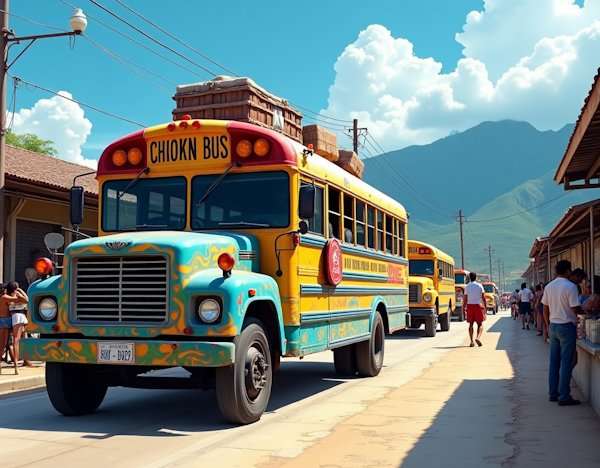
Each Central American nation adds its own flavor to the chicken bus tradition. Their unique travel experiences mirror local culture and conditions. The busses in each country have distinct features that show how regions differ from one another.
Guatemalan Chicken Bus Experience
Guatemala boasts the most colorful chicken busses in the region. Old school busses transform into rolling works of art here. These busses showcase religious imagery, chrome decorations and detailed paintwork that make them true cultural icons. The country’s mountain landscape means trips often take longer and need multiple changes. Guatemala’s chicken bus fares are substantially more expensive than other Central American countries.
Safe and reliable routes in Guatemala include:
- Guatemala City to Antigua (via Roosevelt Highway)
- Antigua to surrounding Mayan villages like San Juan del Obispo
- Quetzaltenango to San Andres Xecul or San Cristobal Totonicapan
Honduras Busses: What’s Different
Honduras runs a well-laid-out bus network with different service levels. Beyond simple chicken busses, travelers can choose rapiditos (faster minibusses) or luxury ejecutivos (executive busses) for longer routes. Bus fares stay very low at $1-2 per hour, though premium services might cost up to $37 for longer trips. Due to safety issues, some intercity busses now travel with armed soldiers aboard.
Nicaragua Busses and Local Quirks
Nicaragua’s busses often keep their yellow schoolbus look, unlike their flashy Guatemalan cousins. Microbuses rule the roads around Managua and leave from the central UCA terminal. Window seats are precious here, especially when you need to buy food from vendors who come to the windows at stops. Tourist routes in Nicaragua now have lower crime rates compared to nearby countries.
El Salvador and Panama: Regional Variations
El Salvador uses numbered bus routes, which makes the system easier for visitors to use. Panama’s chicken busses—known as “Diablos Rojos” (Red Devils)—were once the region’s most decorated vehicles. Panama now replaces these colorful busses with a standard Metrobus system. This change has sparked debates about keeping traditions versus modern transport. This shift shows how Central American public transport continues to develop as countries try to balance their cultural heritage with safety and better service.
Safety, Comfort, and What to Watch Out For
Riding Central America’s vibrant public busses mixes adventure with caution. Most travelers finish their trips safely. You should still learn about the risks to have a smoother experience.
Keeping Your Belongings Safe
Theft is the biggest concern on chicken busses across the region. Large backpacks often go on roofs or at the back of busses where you can’t see them. So keep all valuables (passport, money, electronics) in a day pack right next to you. Don’t show off expensive items that could draw attention. The good news is that most chicken bus trips end safely when travelers take simple precautions.
Best Times for Chicken Busses
Chicken busses are safest during daylight hours on routes tourists often take. Look for other options if you’re:
- Going through major cities after dark (especially Guatemala City, San Salvador, Tegucigalpa, San Pedro Sula)
- Passing through high-crime areas
- Hearing locals warn against specific routes
Traffic accidents pose higher risks than crime for most tourists. Drivers often speed through mountain roads without seatbelts while they stop to pick up passengers. On top of that, chicken busses usually stop running between 4-6 PM. This could leave you stranded if you’re not prepared.
Tips for Solo Travelers and Women
Solo female travelers need extra safety steps beyond the usual precautions. You should limit your time in Guatemala City to reduce risks. Uber offers a safer choice than street taxis in many Central American cities. Having internet access helps solo travelers plan routes and stay connected.
Here’s something interesting – travelers often find help rather than danger on chicken busses. Locals tend to help foreigners with directions and transfers. They sometimes even hold babies for other passengers!
Dealing With Motion Sickness or Long Rides
Central America’s winding mountain roads can make you sick, especially in crowded conditions. Try sitting near the front where the motion feels better. Looking at the horizon through windows helps your balance too.
For long trips, take motion sickness pills before you start. Take small sips of water to stay hydrated. Bring ginger candies or tea to calm your stomach. Remember to drink less on longer routes since bathroom breaks are rare and hard to predict.
Alternatives to Chicken Busses (and When to Use Them)
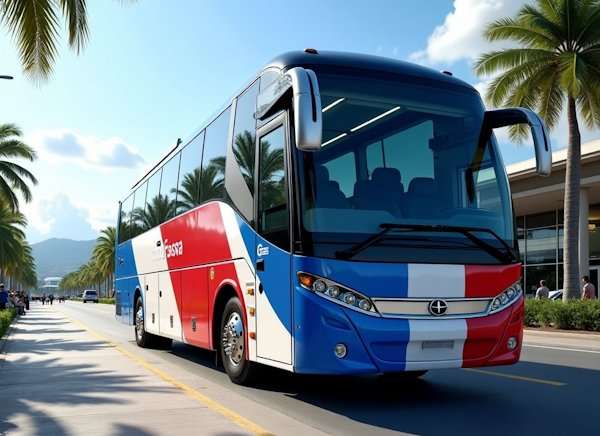
Chicken busses give you an authentic experience, but travelers just need faster and more comfortable ways to travel in Central America. You’ll find different options that fit your budget, schedule and comfort preferences.
Tourist Shuttles and Colectivos
Tourist shuttles link major spots all over Central America. These shuttles sit right between chicken busses and private transport in terms of service and cost. The minivans take you straight from one place to another without many stops, which makes them way faster than chicken busses. They cost a lot more though – a shuttle from Guatemala City to Panajachel runs you about $25 per person instead of the few dollars you’d spend on chicken busses.
Colectivos are another great option. These 10-15 passenger vans work like chicken busses but stop less often. Nicaragua’s micros (which are like colectivos) run from Managua’s UCA terminal and save you both time and money compared to other options. These vans head out once they’re full rather than stick to fixed times.
Taxis and Uber in Major Cities
City taxis are handy, but tourists often pay too much. Radio taxis or official ones are safer than random street cabs. You can avoid getting overcharged in many places by making sure the driver uses the meter.
Uber has been around in several Central American countries for a while now. It usually gives you cheaper, safer and cleaner rides than regular taxis. You can catch an Uber in:
- Panama City (since 2014)
- Costa Rica’s Central Valley (since 2015)
- Guatemala City and Antigua (since 2016)
- San Salvador (since 2017)
Honduras looks like the next place Uber will show up. Right now, you can also use inDriver, a local ride-hailing app that works in all these countries plus Honduras and Nicaragua.
Times to Fly or Rent a Car
A rental car gives you freedom but needs some careful thought. It makes the most sense if you’re:
- Heading to remote spots where busses don’t go often
- Carrying lots of bags or gear
- Looking for privacy and comfort
Driving in Central America needs extra care. The roads between big cities are usually good, but getting to places like Lanquin or Flores can be tough. Make sure you don’t leave anything valuable in your parked car and stay off the roads after dark.
Flying between Central American cities is limited to Copa Airlines (from Panama) and Avianca (from Colombia), and they only connect major cities. The flights cost too much to make sense for most travelers, except if you’re in a rush for business.
Enjoy Your Travel in Central America
Chicken busses are vibrant symbols of Central American culture that give travelers a taste of adventure and local life. Modern options like Uber and tourist shuttles might be more comfortable, but these colorful vehicles remain the backbone of transportation across the region.
Smart travelers need to weigh the cultural experience against safety concerns. Sticking to daytime trips on popular routes is the safest bet, while night travel through big cities calls for different transport options. The experience becomes much easier with help from locals, especially if you’re riding for the first time.
Every country puts its own spin on chicken busses. Guatemala’s busses sport elaborate artwork, while Nicaragua keeps things simple and practical. Panama’s shift toward modern systems hints at bigger changes coming to the region. These iconic busses keep connecting Central American communities despite pressure to modernize and they create memories that go way beyond regular transportation.
Smart travelers don’t see chicken busses as just a cheap way to get around – they’re a window into real Central American life. With good preparation and the right expectations, adventure-seeking visitors can dive into local culture while moving safely between destinations.
FAQs
Q1. What exactly is a chicken bus and why are they called that?
Chicken busses are repurposed North American school busses that serve as the primary mode of public transportation in many Central American countries. They got their name because passengers often transport live animals, including chickens and because people are often packed tightly inside like chickens in a coop.
Q2. Are chicken busses safe for tourists to use?
While chicken busses can be safe, especially on popular routes during daylight hours, travelers should exercise caution. Keep valuables close, avoid night travel in major cities and be aware of your surroundings. Many tourists use them without incident, but it’s important to stay vigilant.
Q3. How do I find and board the right chicken bus?
Look for busses at local terminals with destinations written on their windshields. Listen for ayudantes (helpers) shouting destinations. Before boarding, confirm your destination with the driver or ayudante. Pay your fare to the ayudante once the bus is moving and keep small bills handy.
Q4. What’s the chicken bus experience like in different Central American countries?
Each country has its own chicken bus culture. Guatemala is known for elaborately decorated busses, Honduras has a tiered system including faster minibusses, Nicaragua’s busses are often less flashy and Panama is gradually phasing out traditional chicken busses in favor of a modern system.
Q5. Are there alternatives to chicken busses for getting around Central America?
Yes, alternatives include tourist shuttles, colectivos (shared vans), taxis and ride-hailing apps like Uber in some cities. For longer distances, you can consider flying or renting a car, though these options are typically more expensive than chicken busses.














Leave A Comment